Impatiens hawkeri Blooms Big and Bright with a Long Flowering Season: Master Its Habits for Easier Care
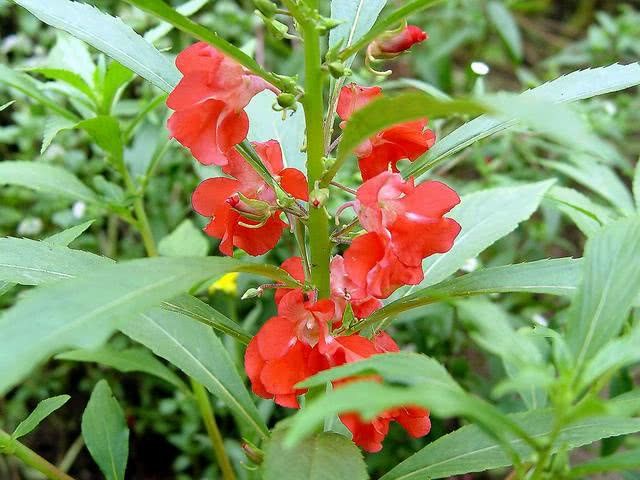
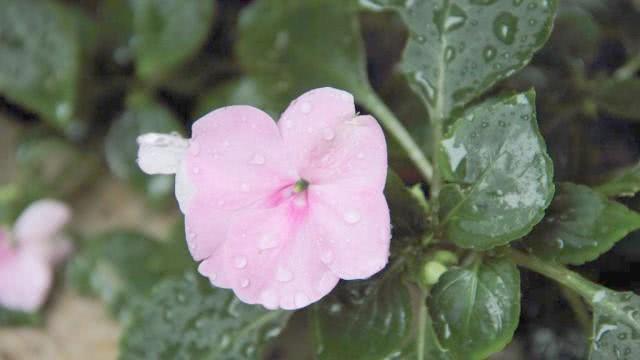
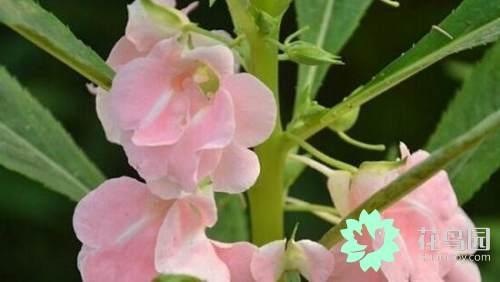
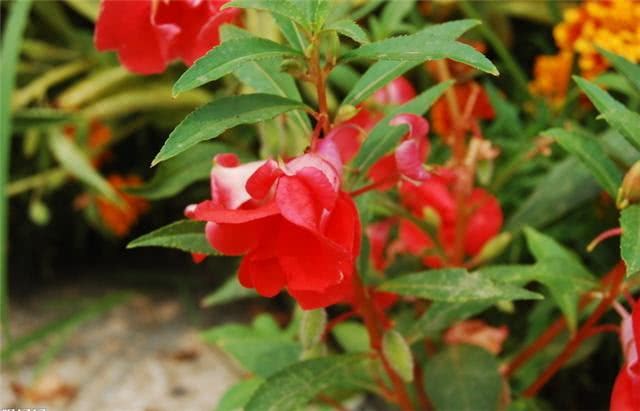
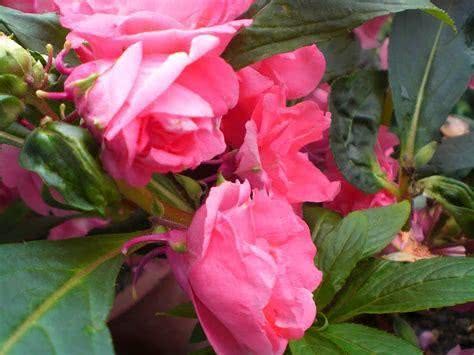
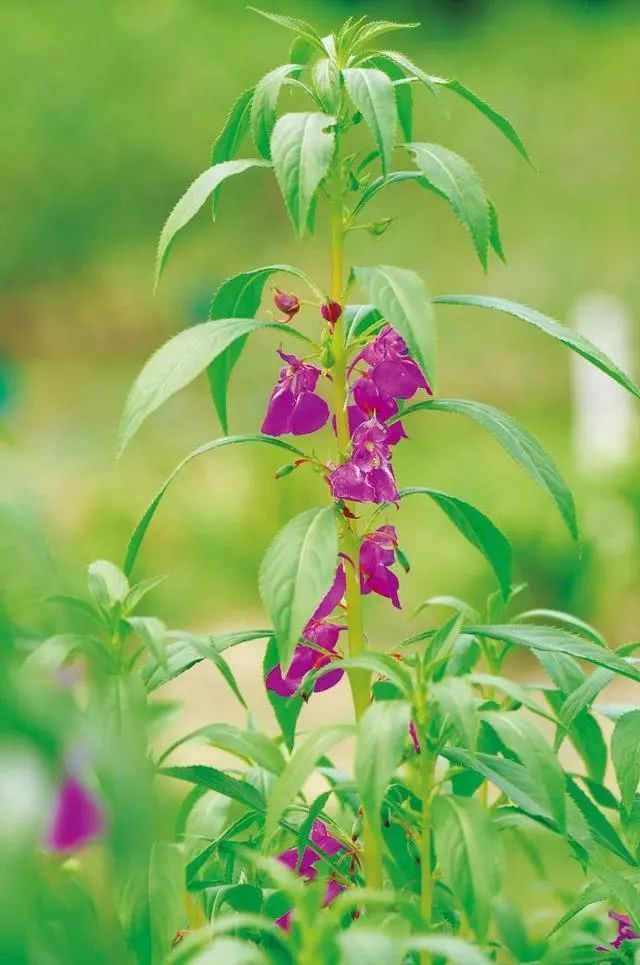
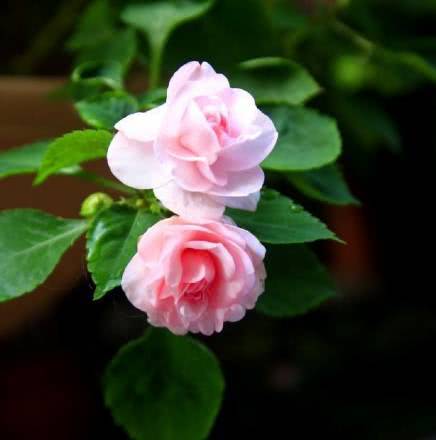
Impatiens hawkeri is a perennial herbaceous plant in the Balsaminaceae family, genus Impatiens, often called the New Guinea impatiens, and is mostly grown in gardens as an annual or biennial. Its plant form is compact and full, its leaves often carry copper-red or pale markings, and its flowers are large and showy, in red, pink, orange, white and various biColors, giving it high overall ornamental value.
In an environment with suitable temperatures, Impatiens hawkeri can bloom in succession for a long time, and it is a common decorative flower in flowerbeds and flower borders in spring and summer. It is also suitable for pot cultivation, placed on a balcony, windowsill or courtyard, where it can add bright and lively color to the space.
For care, Impatiens hawkeri likes a warm, humid and semi-shaded environment, fears strong direct sunlight, and is not cold-tolerant, so in winter attention must be paid to keeping it warm and protecting it from freezing. The soil should be loose, fertile and well-drained; keep the potting soil moist when watering but not waterlogged, as waterlogging easily causes root rot and yellow leaves. Keeping it in bright indirect light will make flowering go more smoothly; too strong light easily damages the leaf color, while too dark conditions reduce the number of flowers.
Propagation is mainly by cuttings and sowing, which are simple to do and have a relatively high survival rate. Maintain ventilation in daily care, as stuffy, hot and humid conditions easily breed diseases; if aphids, whiteflies and the like are found, deal with them promptly. In addition, the sap of plants in the genus Impatiens is somewhat irritating, so it is recommended to wear gloves when pruning or repotting. If there are young children or pets at home, pay attention to placement to avoid accidental ingestion.
Related Reading