Garden balsam can bloom even in partial shade: how to care for it from sowing to flowering
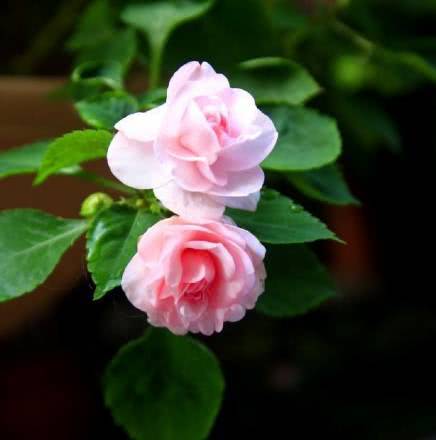
Garden balsam (Impatiens balsamina) is an especially easy-to-grow potted flower. It does not like harsh sun, but prefers a slightly shaded spot with a bit of scattered light. It comes in many varieties, and its flowers are bright and lovely, making it very popular. As a child, I loved using its flowers to paint my fingers.
When caring for garden balsam, you can give it appropriate scattered light. In summer, keep the soil moist with slight shade, and be careful that the soil does not become waterlogged. It is a slightly heat-tolerant plant but is very sensitive to cold; once winter temperatures drop, the plant will wither.
In winter, as long as you protect the roots and stems of garden balsam from freezing to death, it can still regrow and sprout again the next year.
II. How to grow garden balsam
When I grow garden balsam, I just buy some seeds and sow them directly. Its seeds have an especially good germination rate, and the seedlings grow very fast, looking different every day. After a few weeks of growing, they can bloom. Friends can wait until the weather turns a bit cooler before sowing.
1
Choosing the planting soil
Garden balsam is not very picky about soil, but it is best to use loose, fertile, well-drained humus soil to ensure good growth. At the very least, avoid soil that is often waterlogged. Although it can grow in poor soil, it will grow thin and weak, and it will also bloom less.
2
Propagation by sowing
Sowing is very simple. At a temperature of around 20°C, soak the seeds for 8 hours, then shallowly bury them directly in soil about 2-3 cm deep. After that, water thoroughly, place them in a warm, shaded spot, and mist to maintain humidity. They can sprout in less than a week. Let the seedlings gradually receive light, keep the soil slightly moist, and water with a gentle stream. Once the seedlings grow 4 true leaves, they can be transplanted.
3
Transplanting
When caring for seedlings, avoid watering directly with a heavy stream, as it easily makes the plants fall over. Be careful not to expose them to harsh sun at first; let the seedlings slowly adapt to light and gradually increase the duration of light.
When the seedlings grow 4-5 true leaves, they can be transplanted.
Generally, they can bloom in less than two months after planting. When the young plants reach 15 cm, pinch off the top for the first time to ensure more branches grow.
5
Appropriate light
Garden balsam is a relatively shade-tolerant plant and can even bloom when grown in a cool spot at home. It only needs a little scattered light to maintain good growth, about 3-5 hours of scattered light per day. In summer, it also needs shading to avoid harsh sun. In winter, grow it on an indoor windowsill and give it plenty of scattered light.
6
Water and fertilizer management
In summer, keep the soil moist, but the soil must not be too wet. Next, remember to apply light fertilizer frequently; about 2 times a month with diluted fertilizer water is enough to keep it blooming continuously.
4
How to make it bloom more
If you want garden balsam to bloom more, pay attention to pinching off the top and removing the growing tips appropriately to encourage more branches. This way it can produce more flower buds, its branches and leaves will grow more lushly, and it can maintain a good growth condition.
Before the flowering period, give more diluted fertilizer and appropriately provide potassium dihydrogen phosphate, so it has enough nutrients to produce flower buds. After flowering, promptly remove the spent flowers.