An Introduction to the Characteristics, Varieties and Cultivation Methods of the Osmanthus Tree
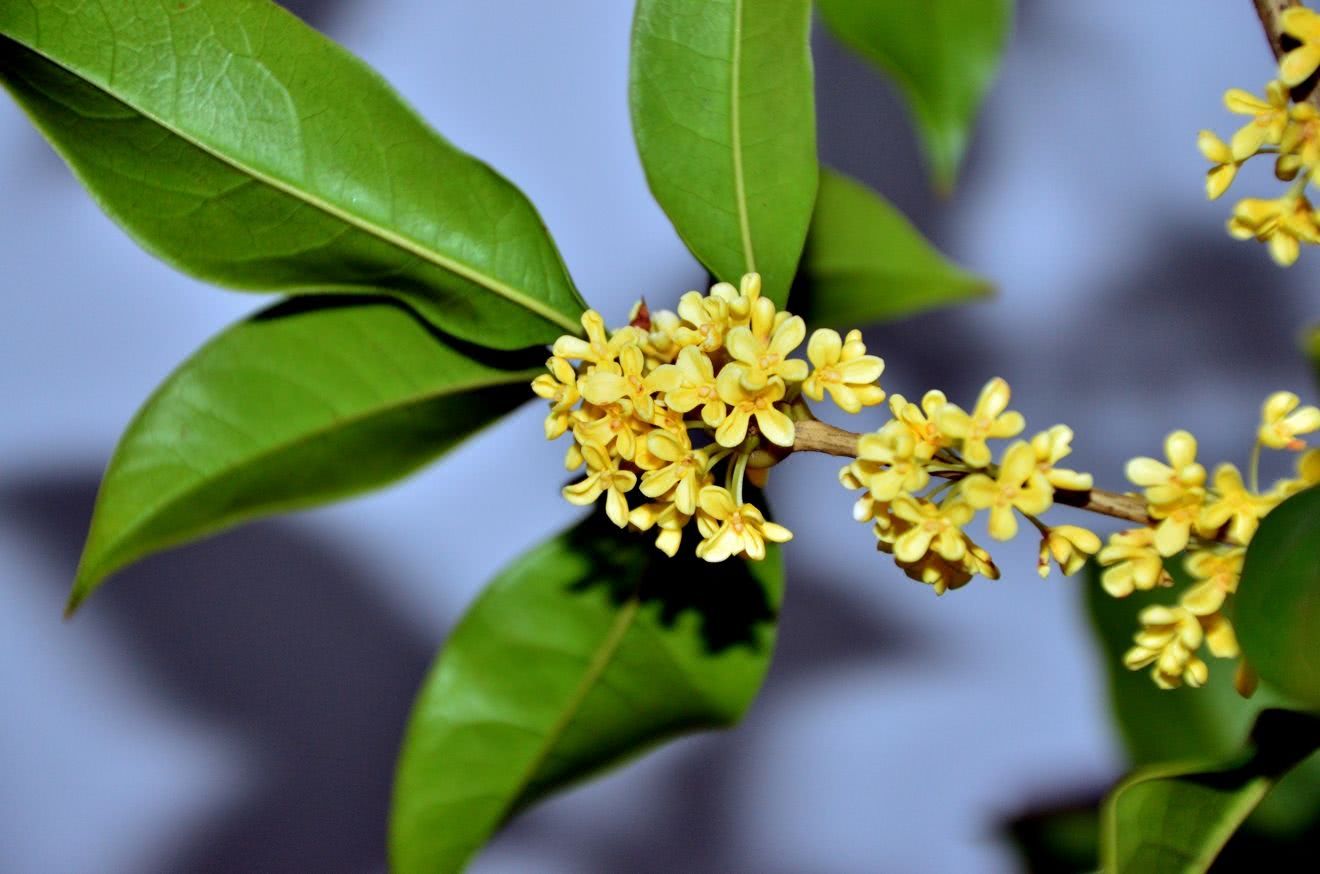
The osmanthus tree usually refers to the sweet osmanthus (Osmanthus fragrans), an evergreen tree or small tree of the genus Osmanthus in the family Oleaceae, and it is also one of China's traditional famous flowers. Its crown is rounded and its branches and leaves are dense, and it mostly blooms in mid-autumn. The flowers are small but intensely fragrant, and it is often planted in courtyards, parks and along both sides of streets.
Common cultivated varieties are broadly divided, by flower color and blooming period, into four cultivar groups: Jingu (golden osmanthus), Yingui (silver osmanthus), Dangui (orange osmanthus) and Sijigui (four-season osmanthus). Jingu has golden-yellow flowers and a strong fragrance; Yingui has whitish flowers and a delicate fragrance; Dangui has orange-red flowers and is highly ornamental; Sijigui is a relatively short plant that can bloom several times within a year, making it suitable for pot cultivation.
As for care, the osmanthus tree likes a warm, humid environment with ample light, and is best planted in deep, well-drained, slightly acidic soil. It has a certain cold tolerance, but in the cold winters of the north it still needs protection against the cold, and potted plants can be moved indoors to overwinter. Watering should follow the principle of watering when dry and letting it dry out between waterings; never let water accumulate. Supplementing appropriately with phosphorus and potassium fertilizer before flowering can increase the number of flowers and make the fragrance stronger.
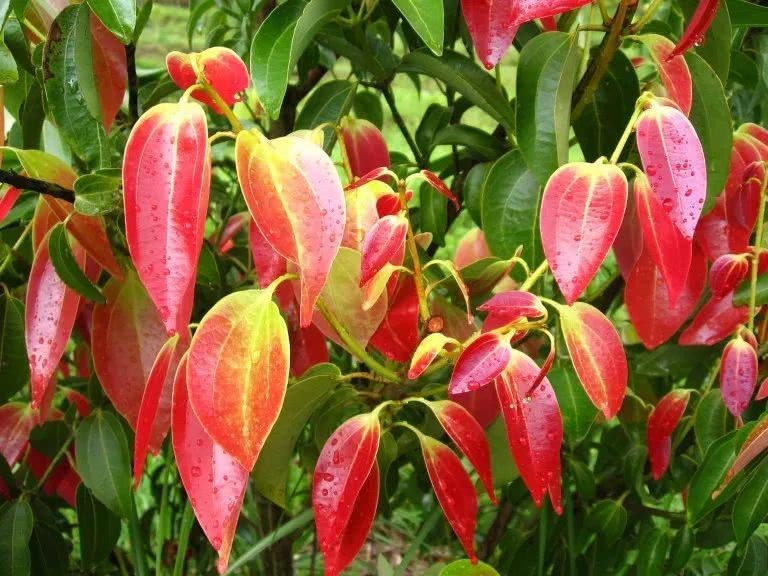
The osmanthus tree is not only ornamental but also has many uses. Its flowers can be used to scent flower tea, brew osmanthus wine, and make pastries and candied fruit, and their fragrance lingers for a long time. It should be noted that the osmanthus tree, bay laurel and cinnamon are only similar in name: bay leaves are often used as a Western cooking spice, while cinnamon is used in cooking and medicine for its bark. The three are not the same plant.