What Plant Is Guijianyu and an Introduction to Its Ornamental and Medicinal Value
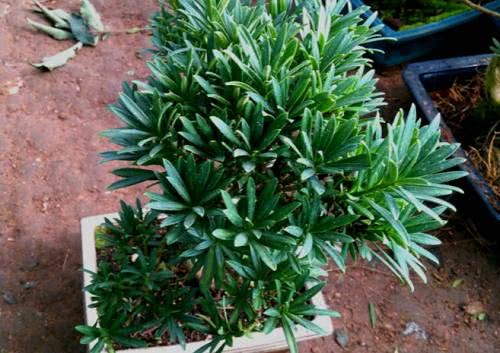
Guijianyu is the dried winged twig of the Celastraceae plant Euonymus alatus (winged euonymus), and in everyday use the name also broadly refers to this deciduous shrub itself. Its branches often bear two to several corky wings that resemble the feathers at the tail of an arrow, and this is where the name Guijianyu, literally "ghost arrow feather," comes from. The plant is mostly a small shrub with opposite leaves, and its foliage turns red in autumn, giving it strong ornamental appeal.
Winged euonymus is widely distributed in China and is mostly found at mountain forest edges or in thickets, with strong adaptability. It likes light and also tolerates slight shade, and grows better in well-drained soil. Because of its unusual branch form and bright autumn leaves, it is often used for courtyard accents, hedges, or bonsai, making it a shape-appreciated tree species that attracts considerable attention.
In the field of traditional Chinese medicine, Guijianyu is one of the traditional medicinal materials, and the medicinal part is mainly the winged twigs. Traditional experience holds that it has the effects of promoting blood circulation and menstruation and dispersing blood stasis, and it is mostly used in combination within compound formulas. It should be noted that medicinal use should be carried out under the guidance of a physician, and collecting and taking it on one's own is not recommended.
If grown as a potted plant or garden plant, winged euonymus is relatively low-maintenance; during the growing season keep the soil moist but not waterlogged, and apply fertilizer appropriately in spring and autumn. In daily care, prune out overly dense branches and leggy shoots to keep the plant shape attractive, and reduce watering in winter to help the plant enter dormancy smoothly.
Related Reading