There's an art to watering flowers: get the method right and your plants will thrive
Watering flowers is the most basic and also the most crucial step in growing plants. It looks simple, but in fact it directly affects whether flowers survive and how well they grow. Many plant lovers fail with their flowers, and the problem often isn't fertilizing or light, but improper watering, which leads to root rot, yellow leaves, and even the death of the whole plant.
To judge when to water, first observe the state of the potting soil. If the surface soil turns pale and dry, if it feels dry when you insert a finger two or three centimeters into the soil, or if the pot feels noticeably lighter when you lift it, it's time to add water. Watering follows the principle of "dry then wet": wait until the potting soil is dry before watering, and when you do water, water thoroughly until water seeps out from the bottom of the pot. Avoid half-measures that only wet the surface while the soil below stays dry.
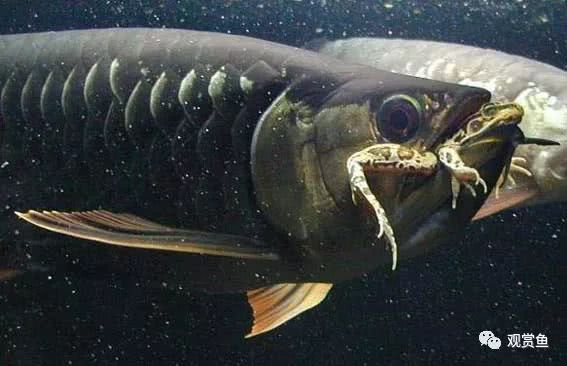
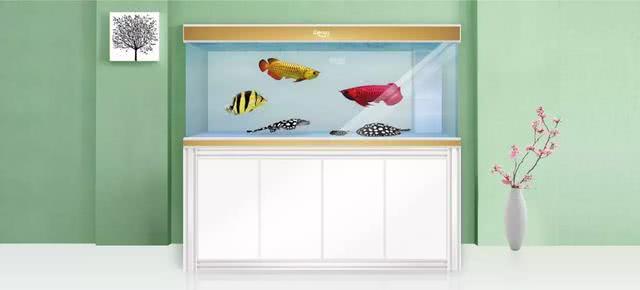
Water quality also matters. Tap water is best drawn and left to sit for a while so the chlorine can evaporate before use, and the water temperature should be as close to room temperature as possible to avoid shocking the roots with cold water. Rice-washing water, fish-tank water, and similar sources can also be used after proper treatment, but water containing salt or grease is not suitable for watering flowers.
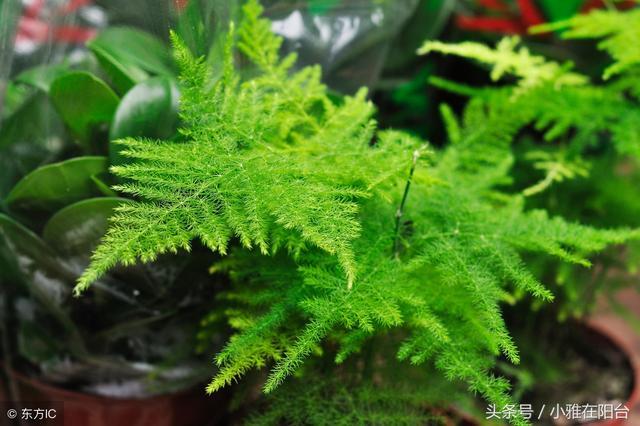
Watering frequency also varies by season. In the peak growing seasons of spring and autumn, you can water a bit more; in summer, when water evaporates quickly, it's best to water in the early morning or evening; in winter, most flowers grow slowly, so reduce watering and keep the potting soil on the dry side. Common potted plants like asparagus fern and pothos are quite sensitive to waterlogged soil, so it's better to let them dry out slightly than to water them every day. Master the rhythm of wet and dry, and your flowers will have strong roots and green leaves, growing more vigorously the longer you keep them.
Related Reading