Monkshood Flower Is Highly Toxic: Get to Know This Beautiful but Dangerous Plant
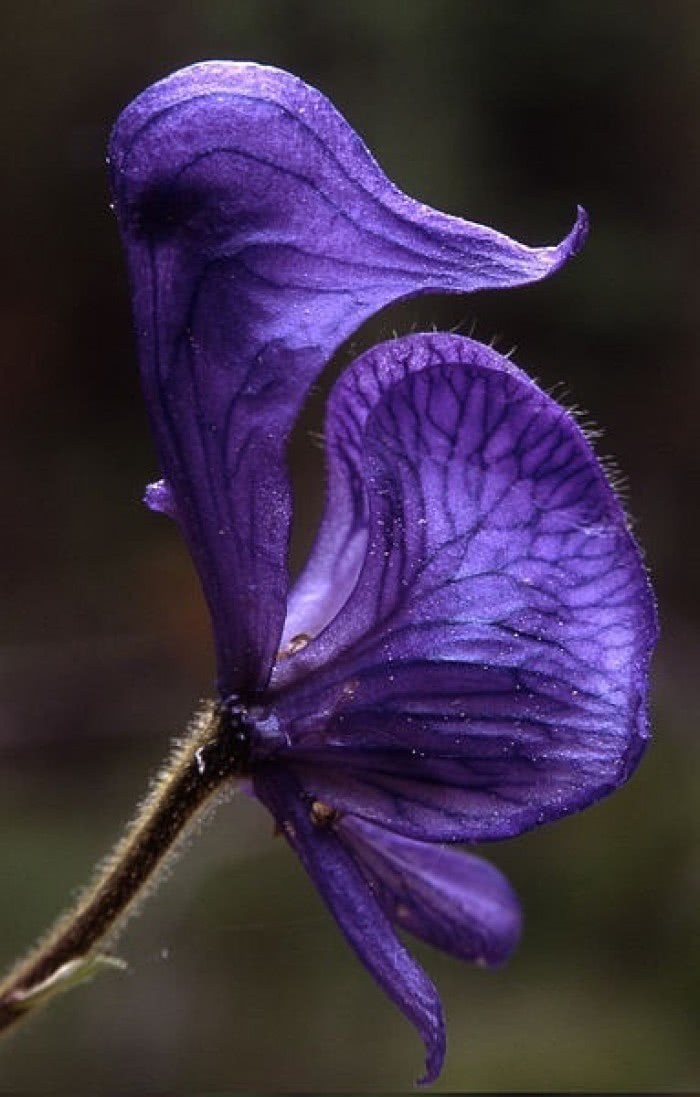
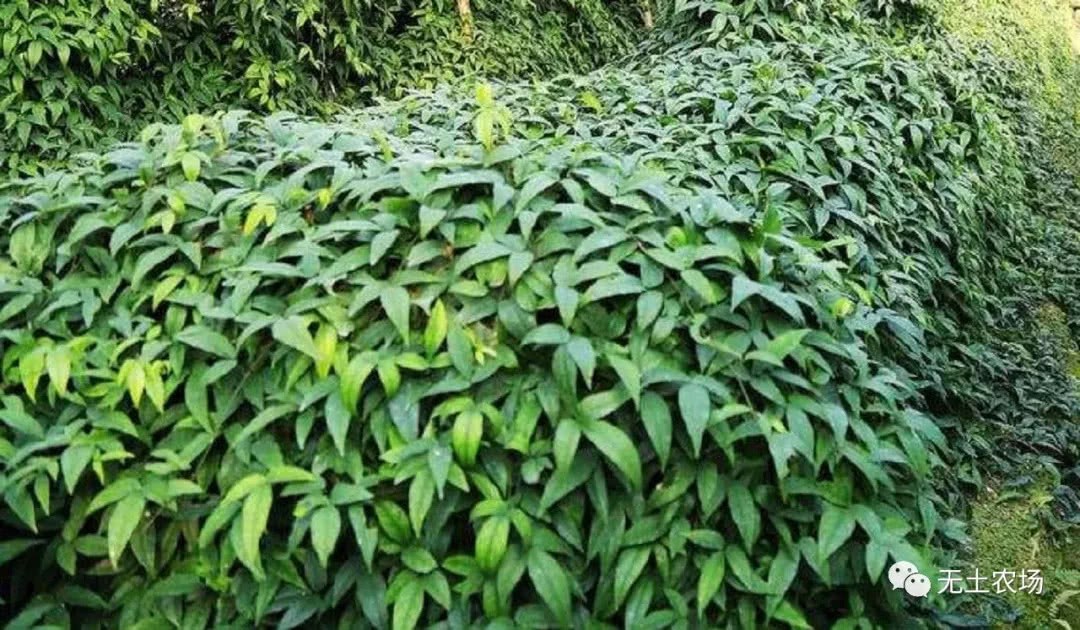
Monkshood flower is the flower of Aconitum carmichaelii, a plant in the buttercup family (Ranunculaceae) and the genus Aconitum, and it is also often simply called aconite flower. It is a perennial herb with an upright habit, and it usually blooms in summer and autumn. The flowers are blue-purple and shaped like a small helmet, arranged in clusters at the top of the stem, giving a refined and distinctive look. This flower mostly grows in mountainous forest edges, grassy slopes, or moist places by streams, and it is also cultivated artificially for ornamental and medicinal use.
Special caution is required: the whole monkshood plant is toxic, with the root being the most toxic part, containing aconitine-type alkaloids. Contact with its sap may cause skin stinging and numbness of the mouth and tongue, while accidental ingestion can lead to symptoms such as nausea and vomiting, numbness of the limbs, and arrhythmia, and in severe cases it may be life-threatening. Therefore, when encountering it in the wild, never pick it or put it in your mouth, and wear gloves when pruning or transplanting to avoid direct skin contact.
Perhaps precisely because it is beautiful yet dangerous, the flower language of monkshood is often considered related to malice and danger, and in literary works it is mostly used to symbolize vigilance and threat, reminding people to keep their distance from unfamiliar plants.
After standardized processing, the tuberous root of monkshood becomes the traditional Chinese medicinal material fuzi, which has a long history of medicinal use, but the raw product is extremely toxic and must be used under a doctor's guidance; it must never be dug up and taken on one's own. For home cultivation and care, it prefers a cool, moist, semi-shaded environment and is suitable for loose, fertile soil. Special attention must be paid to protection in daily management; if there are children or pets at home, it is not recommended to grow it, to avoid accidents.