Nitrogen Fertilizer: Roles and Rational Application Methods Explained
Nitrogen fertilizer refers to fertilizers whose main active ingredient is nitrogen. Nitrogen is one of the nutrients plants need in the largest amounts, so nitrogen fertilizers are used very widely in agricultural production. Common types of nitrogen fertilizer include urea, ammonium bicarbonate, ammonium sulfate and ammonium chloride, among which urea has a relatively high nitrogen content and is the most widely used.
Nitrogen is an important element in the proteins, chlorophyll and nucleic acids that make up a plant. Rational application of nitrogen fertilizer can promote lush growth of branches and leaves, a deep green leaf color and stronger photosynthesis, making the plant grow robustly; the effect is especially obvious on leafy vegetables and foliage plants.
When the soil is short of nitrogen, plants usually grow slowly and have thin, yellowing leaves; the older leaves often lose their green color starting from the lower part, and long-term nitrogen deficiency can also affect yield and quality. At this point, promptly adding nitrogen fertilizer can gradually turn the leaf color green again and restore growth.
Although nitrogen fertilizer can promote growth, it should not be applied in excess. Too much nitrogen easily causes excessive vegetative growth of branches and leaves, weak and lodging stems, and for flowering and fruiting crops it may also cause flower and fruit drop and delayed ripening, while the plant's resistance also declines accordingly. When applying it, it is best to place it deep and cover it with soil, apply it in small amounts several times, and use it together with phosphorus and potassium fertilizers to improve fertilizer efficiency.
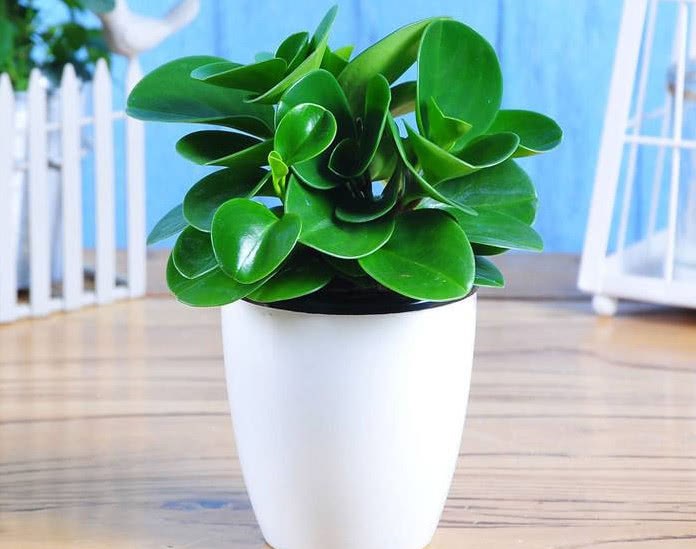
In actual cultivation, nitrogen fertilizer is mostly used as a base fertilizer or a top dressing. Seedlings and the period of vigorous growth need more nitrogen, while nitrogen should be appropriately controlled in the later growth stage. For home potted plants, diluted liquid nitrogen fertilizer can be chosen, applied frequently in light doses, to avoid root damage from too high a concentration.
Related Reading