The Role and Use of Wood Ash: A Practical Natural Potassium Fertilizer for Flowers and Vegetables
Wood ash is the residue left after plant stalks, branches and leaves are burned, and it is a traditional fertilizer commonly found in rural areas. Its main component is potassium carbonate, and it also contains phosphorus, calcium, magnesium and other elements. With a relatively high potassium content and easy availability, it has long been regarded as an economical source of potassium fertilizer.
From a nutrient standpoint, wood ash can supplement potassium, promote thick and sturdy crop stems and thick leaves, strengthen the plant's resistance to lodging and disease, and also help with flowering, fruit setting and the swelling of root tubers and tubers. When using it, it can be applied as a base fertilizer and turned into the soil after broadcasting, or the clear liquid obtained by soaking it can be used for watering or foliar spraying.
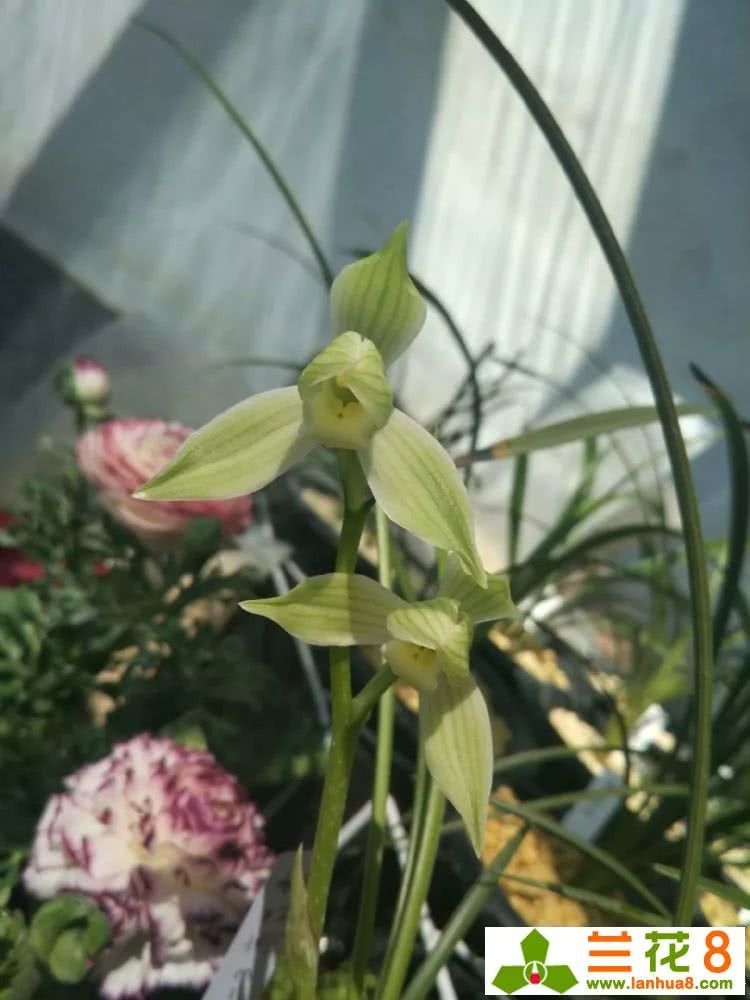
In flower growing and plant protection, wood ash is likewise quite useful. It is alkaline and can inhibit fungal activity to a certain extent, providing auxiliary control of diseases such as southern blight in orchids; spreading wood ash on the surface of potting soil or on leaves can also reduce infestations by mollusk pests such as snails and slugs, and applying some to wounds after pruning also helps them dry and resist decay.
Several points should be noted when using wood ash. It must not be stored or used together with ammonium nitrogen fertilizers, rotted human manure and urine, and the like, so as to avoid nutrient loss caused by ammonia volatilization; it should be used cautiously on acid-loving flowers such as rhododendrons, gardenias and camellias to avoid soil alkalinization affecting growth. In addition, wood ash should be kept dry and moisture-proof during storage, because after being exposed to rain and becoming damp, potassium is easily lost and the fertilizer effect drops noticeably.
Related Reading