A Complete Collection of Lobelia Pictures to Introduce You to This Unique Plant
Lobelia is a perennial herbaceous plant in the genus Lobelia of the family Campanulaceae (bellflower family). It gets its name because the flower opens to one side, resembling half a lotus blossom. It mostly grows in moist areas such as field edges, ditches and stream banks, and is fairly common in the southern provinces of China. Many people have seen it before but cannot name it, and after looking through pictures they often have an "aha" moment.
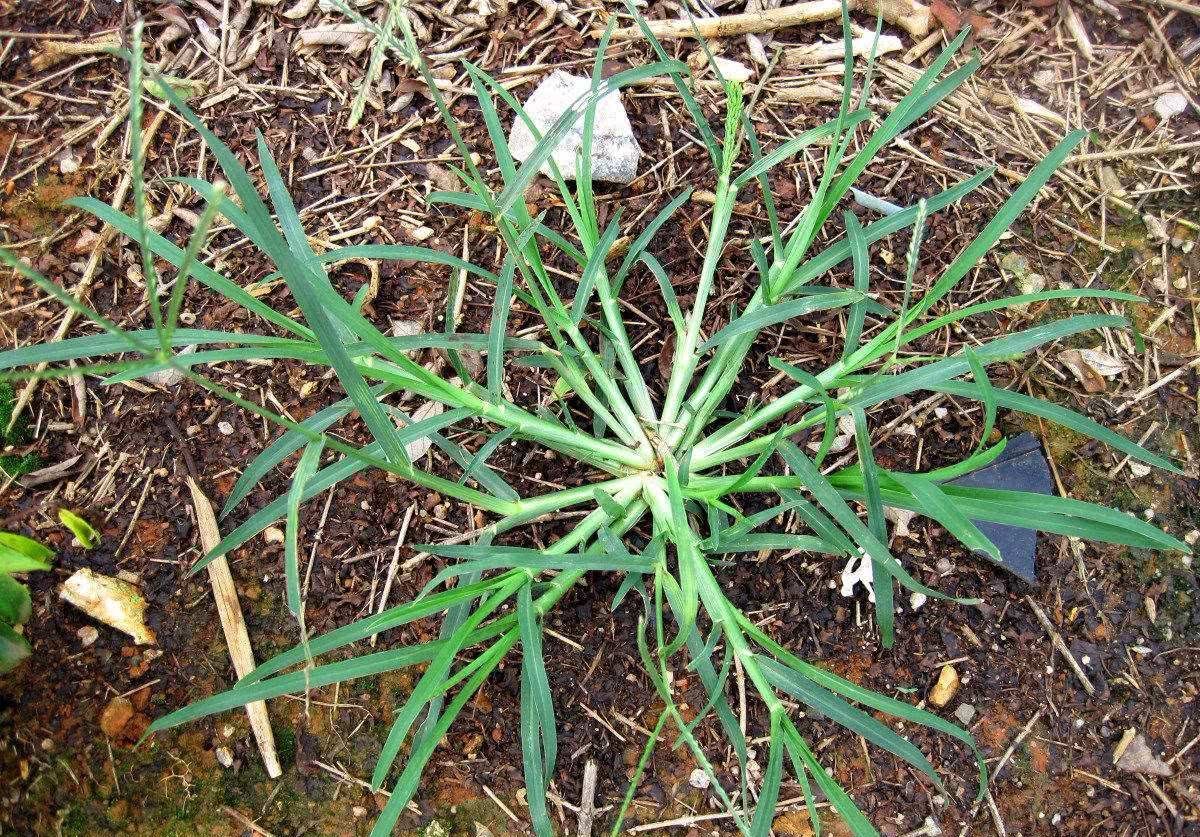
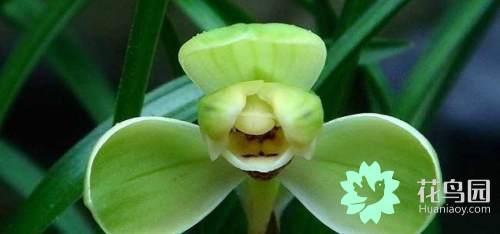
From the pictures, the lobelia plant is low and slender, with prostrate or ascending stems, narrow long leaves, and small, delicate flowers. Its flowers are mostly white or pale pink, and the corolla splits to one side, showing only a half-facing posture. This is exactly where the name comes from, and it is also the most important feature for identification. The flowering period is mostly in summer and autumn, and when it grows in patches it looks very elegant.
It should be noted that the ornamental lobelia commonly seen in gardening usually refers to varieties such as the annual Lobelia (edging lobelia) type, which have richer flower colors, with choices such as blue, purple, white and pink, and are often used for flowerbed edging, potted plants or hanging baskets. These varieties have been bred artificially, with a compact plant shape and dense flowering. The effect of a full pot in bloom is often seen in pictures, and their character differs somewhat from that of wild lobelia.
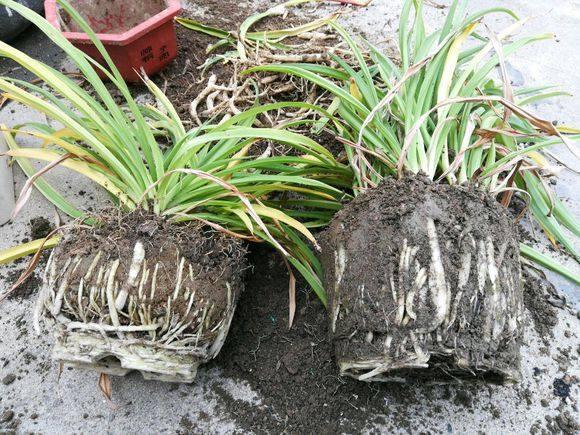
The value of lobelia is mainly reflected in two aspects: medicinal and ornamental. As a traditional Chinese medicinal material, its whole plant can be used as medicine, but it should be used under a doctor's advice, and it is not advisable to pick and take it on your own. For home cultivation, choose a moist, sunny or semi-shady environment; keep the soil moist and avoid long-term waterlogging. It can be propagated by sowing or division. Comparing details such as flower orientation and leaf shape with the help of pictures can help beginners identify it more accurately and avoid confusing it with plants of similar appearance.
Related Reading