Liliaceae: Characteristics, Common Species, and Care Essentials
Liliaceae is a large family within the angiosperms, consisting mostly of perennial herbaceous plants, with a few having climbing or twining habits. These plants usually have underground storage organs such as bulbs, rhizomes, or tubers; their leaves are mostly linear or broadly strap-shaped; and their flowers are often radially symmetrical, with six tepals arranged in two whorls, giving them high ornamental value.
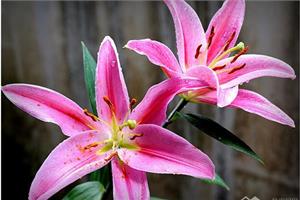
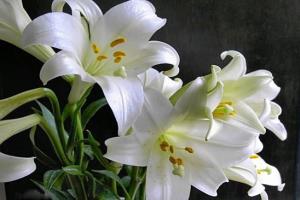
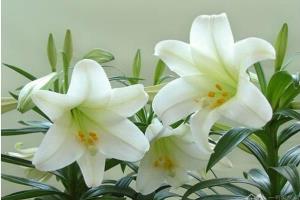
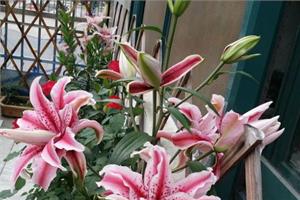
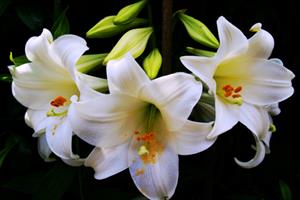
In traditional classification, Liliaceae covered a broad range, with common genera including Lilium, Tulipa, Hyacinthus, Hemerocallis, and Hosta. Horticulturally popular lilies such as Oriental lilies and Easter lilies (Lilium longiflorum) are all members of this family. With the development of modern taxonomy, some groups have been reassigned to other families, so different sources may describe the scope of Liliaceae slightly differently.
Most Liliaceae plants prefer cool, humid conditions with ample light, and grow best in loose, fertile, well-drained soil. Taking lilies as an example, most species dislike waterlogged conditions, need appropriate shading during high summer temperatures, and simply require keeping the soil alternately dry and moist during the growing season. Propagation methods are also quite varied, commonly including bulb division, scale cuttings, and seed sowing, among which bulb division is simple to perform and yields a high survival rate.
These plants offer ornamental, edible, and medicinal value. Lily flowers are often used for cut flowers, potted plants, and flower border arrangements, and the bulbs of some species can be eaten or used in medicine; daylilies and hostas are suitable for planting in courtyard beds, while tulips and hyacinths are common bulb flowers. In daily care, attention should be paid to preventing and controlling gray mold, root rot, and pests such as aphids and red spider mites. Maintaining good ventilation and light, and avoiding overly wet soil, are key to reducing disease.
In home cultivation, a common problem is plants that grow only leaves without flowering, which is often related to undersized bulbs, insufficient light, or unsuitable temperatures. When purchasing, choose plump, undamaged bulbs; after flowering, promptly remove spent flowers while keeping the leaves to nourish the bulb, which helps the plant bloom again the following year.
Related Reading