Using blood plasma on flowers can supplement nutrients, but it must be composted and diluted before use.
Watering flowers with blood plasma is a fertilizing method passed around among flower enthusiasts, referring to the use of animal blood plasma or blood mixed with water to irrigate flowers. Blood plasma contains proteins, amino acids, and mineral components such as iron and potassium. After decomposition, it can provide plants with nutrients mainly consisting of nitrogen, so some people treat it as a source of fertilizer, hoping to promote the growth of branches and leaves and to achieve a deep green leaf color.
However, blood plasma cannot be used directly. Fresh blood is an uncomposted organic material. If poured directly into a flowerpot, it will continue to ferment in the soil, generating heat and odors, and it will also easily breed bacteria and attract mosquitoes and insects. If the concentration is even slightly too high, it will burn the roots. A relatively reliable approach is to first mix the blood plasma with water, seal it for composting, and let it ferment for a period of time. After it has fully decomposed, take the upper clear liquid and dilute it in proportion, and stick to applying light fertilizer frequently.
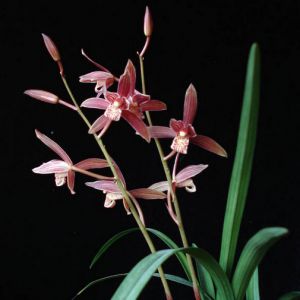
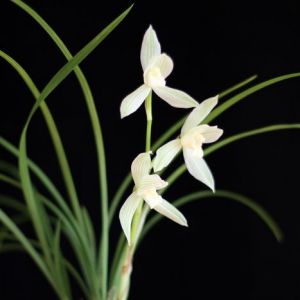
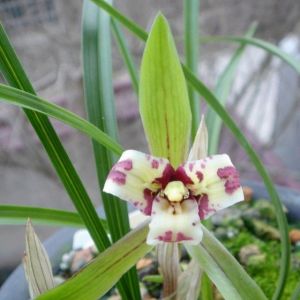
This kind of liquid fertilizer is more suitable for foliage plants that need nitrogen fertilizer. For flowering plants, the amount used should be controlled to avoid excessive vegetative growth of branches and leaves that affects flower buds. As for plants with fleshy roots such as orchids, many orchid growers are especially cautious about organic liquid fertilizers, because orchid roots are sensitive to changes in concentration, and the slightest carelessness may cause root rot. If you want to try it, be sure to test it first in a small amount and observe the growth.
In addition, it should be noted that long-term use of blood water can easily accumulate salts in the potting soil, causing soil compaction and odors, and it should be used with particular caution when growing flowers indoors. For most home gardeners, leaf mold, decomposed cake fertilizer, or finished organic fertilizers are less troublesome, and their nutrient release is more stable, so there is no need to deliberately rely on folk remedies.