An Introduction to the Characteristics, Growing Methods and Uses of Dendrobium moniliforme
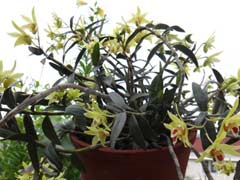
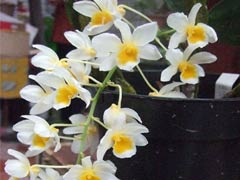
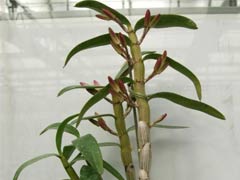
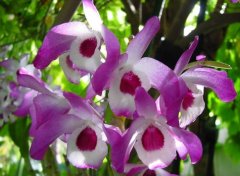
Dendrobium moniliforme is a perennial epiphytic herb in the orchid family, genus Dendrobium. It gets its name because the surface of its stems is yellow-brown and close to the color of copper. It is a close relative of Dendrobium officinale (Tiepi Shihu) and looks somewhat similar, so growers often compare the two. Overall, Dendrobium moniliforme has slender stems with clear nodes and alternate leaves, and in the flowering season it produces small, understated flowers with a light fragrance, making it quite ornamental.
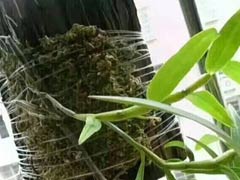
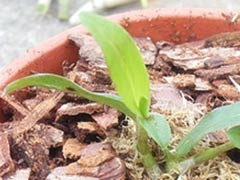
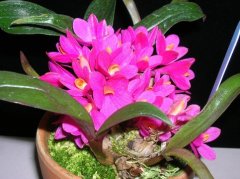
In terms of growth habits, Dendrobium moniliforme likes a warm, humid and semi-shaded environment. It does not tolerate strong direct sunlight or severe cold. At home it is mostly grown in pots, and the growing medium can be loose, airy materials such as bark or sphagnum moss; for specific steps, refer to the general method for potting dendrobiums on this site. In everyday care, keep the medium moist but not waterlogged, mist lightly when the air is dry, provide shade and ventilation in summer, and move it indoors for warmth in winter.
Propagation is mainly by division and cuttings. Division is usually done together with repotting: separate the clustered plants and repot each clump with several sturdy stems. For cuttings, take well-grown stem sections, insert them into a moist medium, keep up the humidity and provide scattered light, and after some time they will root and sprout.
As for uses, Dendrobium moniliforme belongs to the dendrobium group of plants. Traditionally there are folk practices of steeping fresh stems or dried material in water or using them in soups, and its neat form and understated flowers also make it suitable for display on a balcony or in a courtyard. One thing to note is that there are many dendrobium varieties on the market, and Dendrobium moniliforme and Dendrobium officinale differ in appearance and value. When buying, you can tell them apart by stem color, thickness and taste to avoid confusion.
Related Reading