Soft Rot: Symptom Identification and Integrated Control Methods
Soft rot is a common type of plant disease caused by bacteria, with the pathogens mostly being bacteria of the genus Erwinia or Pectobacterium. It mainly affects vegetables such as Chinese cabbage, radish, potato and celery, and is also commonly seen in the cultivation of ornamental plants such as orchids and clivia, as well as edible fungi. The tissue at the affected site breaks down and rots, often accompanied by oozing sap and a foul odor, making it an important disease that occurs both in the field and during storage.
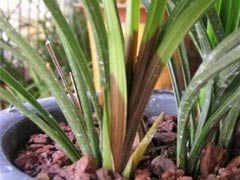
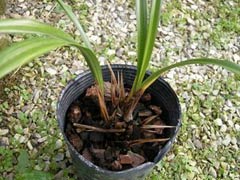
The pathogen mostly enters through wounds or natural openings, and spreads relatively quickly under high temperature and high humidity. Affected areas initially appear water-soaked, then the tissue softens and sinks, gradually rotting into a slimy mass; a light squeeze often releases yellowish-brown sap and gives off a distinct fishy odor. Chinese cabbage mostly begins to rot from the base of the head or the leaf stalks, while orchids and clivia often develop the disease from new shoots and the base of the pseudobulbs, and in severe cases the entire plant collapses and dies.
The soft rot pathogen can overwinter in soil, diseased plant debris or uncomposted organic fertilizer, and is spread by rain, irrigation water and insects. When management is careless, when crops are grown continuously, when fields are waterlogged, when nitrogen fertilizer is applied excessively, and when there are many wounds from insect damage, the disease tends to be more severe, so adjusting cultivation practices is key to controlling the disease.
For control, agricultural measures should be the main approach: implement reasonable crop rotation, promptly remove diseased plant residues, pay attention to drainage and reducing humidity, and avoid excessive nitrogen fertilizer. In the early stages of the disease, bacterial-targeted agents such as zhongshengmycin and agricultural streptomycin can be used for spraying control, while underground pest control should also be carried out to reduce opportunities for wound entry. Vegetables and flower bulbs during storage should be kept ventilated and dry, and diseased plants should be removed promptly to prevent the disease from spreading.
Related Reading