Morphological Characteristics of Dendrobium fimbriatum and a Brief Introduction to Container Cultivation and Care Methods
Dendrobium fimbriatum is a perennial epiphytic herb in the orchid family, genus Dendrobium. Also known as the fringed dendrobium, whip cane, and large yellow grass, it gets its name because its stems are slender, straight, and shaped like a horsewhip. It usually grows epiphytically on tree trunks or rocks in valley forests, and is relatively common in the warm, humid mountainous areas of southern China, such as Yunnan, Guizhou, Guangxi, and Sichuan.
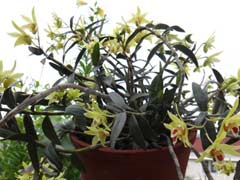
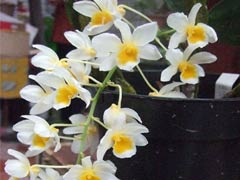
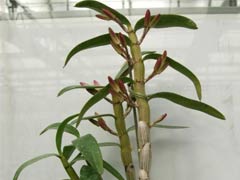
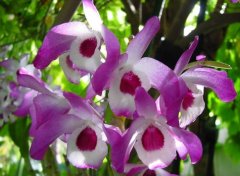
In appearance, the stems of Dendrobium fimbriatum are cylindrical, upright or slightly drooping, with relatively long internodes, and the leaves are leathery and alternate. Its flowers are mostly golden yellow, with finely fringed lobes along the edges of the lip; when they open in clusters they are quite beautiful. The flowering period is generally in spring and summer, and its ornamental value is high.
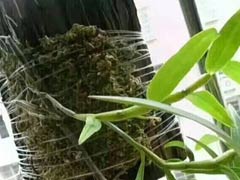
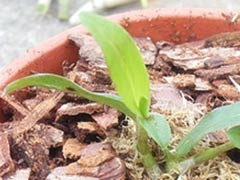
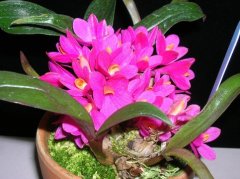
For care, Dendrobium fimbriatum prefers a warm, humid, semi-shaded environment. It fears direct strong light and is not tolerant of cold or waterlogging. For home container cultivation, use loose, breathable media such as bark, sphagnum moss, and tree-fern fiber, and place it in a location with plenty of scattered light and good ventilation. During the growing season, keep the medium moist and mist the surroundings to raise air humidity; in winter, reduce watering and take care to keep it warm. Propagation is mainly by division, and healthy stem sections with nodes can also be cut for cuttings.
In terms of application value, the stems of Dendrobium fimbriatum are one of the sources of the traditional Chinese medicinal herb dendrobium, often classified among the yellow grass types in folk use, and the fresh stems can also be used for making soup or steeping in water. Its flowers are elegant, and it is not difficult to cultivate. It is suitable for flower lovers in humid areas south of the Yangtze River to try growing in containers, adding a touch of natural wild charm to courtyards and balconies.
Related Reading