The centipede orchid is an epiphytic orchid that resembles a centipede
The centipede orchid is a perennial epiphytic herbaceous plant of the genus Cleisostoma in the orchid family (Orchidaceae). It gets its name because its stems are slender and creeping, with roots growing from the nodes, and its leaves arranged in two rows, so that the whole plant resembles a small crawling centipede. It is not particularly common in the mountains of some provinces and regions of our country, and because of its unique plant form, it is often collected by orchid enthusiasts as a variety with a rather wild charm.
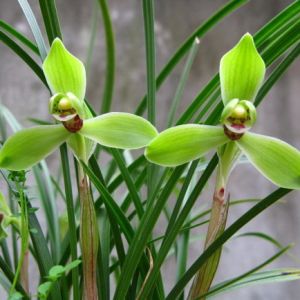
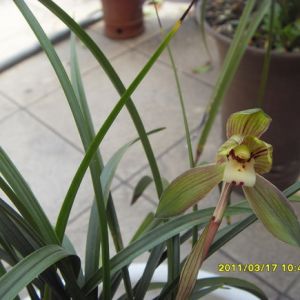
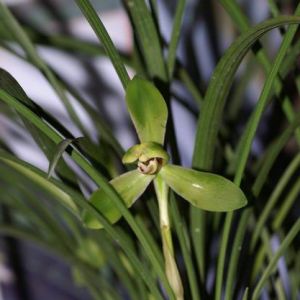
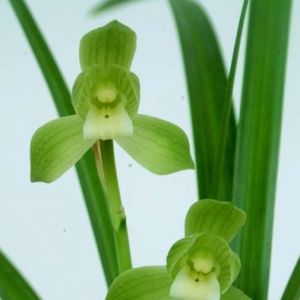
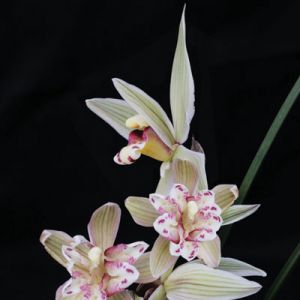
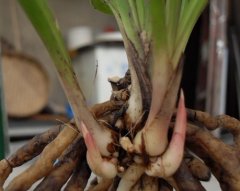
In terms of appearance, the centipede orchid is usually not large, with creeping stems that are somewhat hard in texture, and aerial roots growing from the nodes that can firmly grip rock surfaces or rough bark. The leaves are fleshy and thick, able to store water, which helps it endure brief droughts. Its flowers are small and pale in color, easy to miss without careful observation, but the lip structure still retains the delicate intricacy characteristic of orchids.
Wild centipede orchids are mostly found in moist ravines, along streams and at forest edges, often growing epiphytically on steep cliff rocks or old tree trunks, favoring a bright, diffused-light environment with good ventilation and relatively high air humidity. Such habitats are not common in the wild, and together with the impact of human collection, wild populations are limited. If you come across one in the mountains, you should take care to protect it and not dig it up at will.
When cultivated artificially, the centipede orchid is better suited to mounting on boards or growing in epiphytic substrates such as bark chunks or volcanic rock that are well aerated and well drained; ordinary garden soil tends to retain water and cause root rot. For daily care, it should be placed in bright, diffused light, avoiding direct scorching sun; water by the principle of letting it dry out between waterings, maintain relatively high air humidity during the growing season, reduce watering appropriately in winter and pay attention to keeping it warm, and fertilize with dilute fertilizer applied frequently.
For ornamental purposes, the centipede orchid has a distinctive plant form, and when tied to dead wood or a stone slab it has a special wild mountain feel, making it suitable for creating small imitative-ecology displays on balconies and in courtyards. In some regions it is also used as a folk herbal medicine, but the specific usage varies from person to person. If medicinal use is needed, consult a professional, and never dig it up and take it yourself.