A Detailed Introduction to the Morphological Characteristics and Care Methods of Cymbidium hookerianum
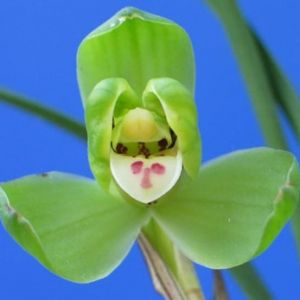
Cymbidium hookerianum is a perennial epiphytic herb of the genus Cymbidium in the orchid family. It gets its name because its flowers are relatively large and the markings on the lip resemble a tiger's head, and it is also known by the alias Qingchan orchid. It is mainly distributed in the mountain forests of southwestern China, where it often grows attached to tree trunks or rock faces, and it is one of the more easily recognized types among wild Cymbidium species.
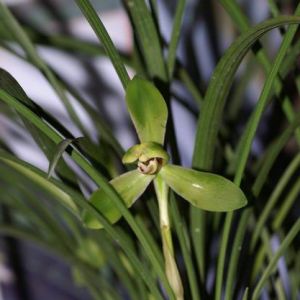
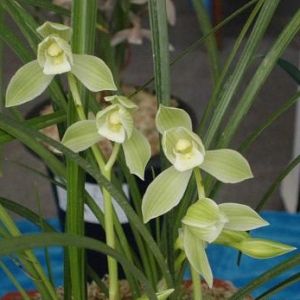
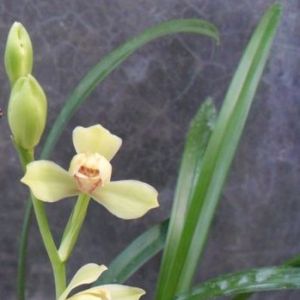
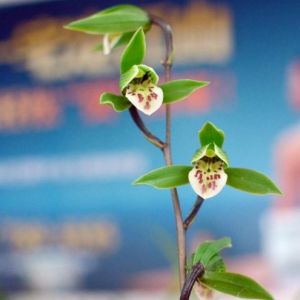
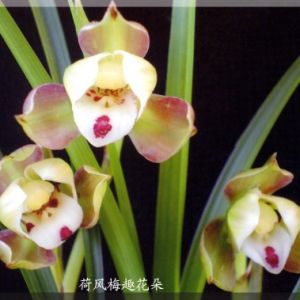
In appearance, the pseudobulbs of Cymbidium hookerianum are thick and plump, and the leaves are broadly strap-shaped, numerous, and thick in texture. The flower scape emerges from the base of the pseudobulb, mostly extending at an angle or drooping slightly, and bears several to more than ten flowers. The flower color is mainly yellow-green, the lip often carries purplish-red markings, and the flowering period is mostly concentrated in winter and spring. Both the overall plant form and the flower quantity are quite ornamental.
In horticultural use, Cymbidium hookerianum is not only a good subject for potted ornamental display, but also one of the important parents in the hybridization and breeding of large-flowered cymbidiums, and many large-flowered varieties carry its bloodline. When grown at home, it can be enjoyed for its flowers and also used as an evergreen foliage plant to accent balconies and courtyards.
As for care, Cymbidium hookerianum prefers a warm, humid environment with bright light, and is suitable for planting in loose, breathable media such as bark and sphagnum moss. Daily watering should follow the principle of letting the medium dry before watering again, avoiding water accumulation in the pot that can cause root rot. Keep the air circulating as usual, pay attention to proper warmth in winter, and after flowering apply a light fertilizer to supplement nutrients and help the plant recover its growth.