Why There Are Small Flying Insects in Flower Pots and Simple Ways to Deal With Them
The small flying insects that appear in flower pots, often called "black fungus gnats" by plant lovers, are mostly gnats of the Sciaridae family. They are tiny and like to move about on the surface of moist potting soil rich in humus. Although the adults do not directly chew on leaves as they fly around, the larvae feed on young roots and decaying organic matter in the soil, which has a considerable impact on seedlings and plants with fleshy roots.
The breeding of these small flying insects is mainly related to the potting soil environment. Long-term excessive moisture, poor ventilation, the use of uncomposted organic fertilizer, or soil containing a lot of impurities all create conditions for them to lay eggs and reproduce. Watering too frequently keeps the soil surface constantly moist, so the eggs hatch easily and the numbers keep growing.
In dealing with them, you can start by reducing moisture and destroying their breeding environment. Moderately cutting back on watering so that the topsoil dries out between waterings can noticeably suppress larval survival. You can also hang yellow sticky traps around the pot to catch adults, and when the infestation is heavier, use an insecticide for fungus gnats as a soil drench. In severe cases, you can repot and change the soil, discarding the old potting mix and removing dead roots and decaying leaves.
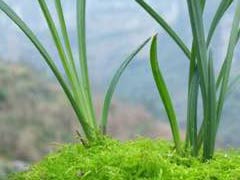
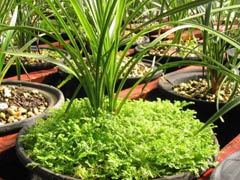
For prevention, you can lay a layer of clean moss, sphagnum moss, or granular potting medium on the soil surface, which not only looks attractive but also blocks adults from laying eggs on the wet soil surface; this practice is fairly common in the care of potted plants such as orchids. In daily care, choose well-composted fertilizer and keep the environment ventilated and dry, and the small flying insects will not easily spread again.