Bigroot Orchid is a leafless, mycoheterotrophic orchid: get to know its characteristics and care essentials
Bigroot Orchid is a rather unusual member of the genus Cymbidium in the family Orchidaceae, being a mycoheterotrophic herbaceous plant. It has no green leaves and cannot carry out photosynthesis; instead, it survives on nutrients provided by symbiotic fungi in the soil. Precisely for this reason it stands out as particularly atypical among Cymbidium plants, and is often regarded by orchid enthusiasts as a representative of the leafless orchid group.
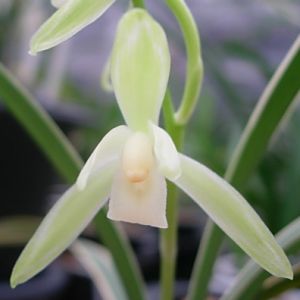
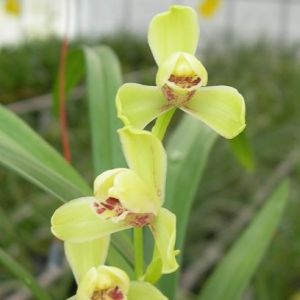
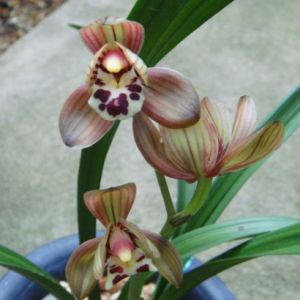
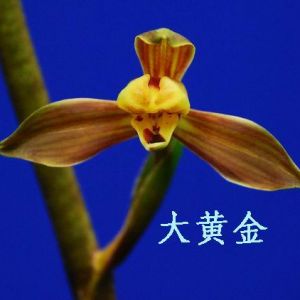
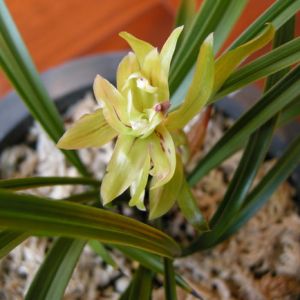
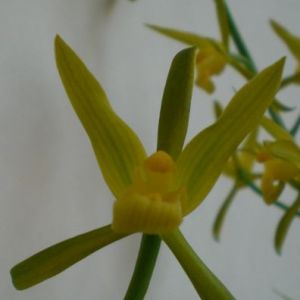
In terms of morphology, the underground part of Bigroot Orchid is relatively thick and fleshy, with stout rhizomes, and each year it sends up a flowering stem from the soil, bearing several yellow-white flowers that often carry purple markings. Its flowering period is mostly concentrated in summer and autumn; when in bloom the whole plant shows no green leaves, and flowers without leaves is its most direct identifying feature, which often strikes first-time viewers as quite novel.
In the wild, Bigroot Orchid mostly grows in shady, cool and moist environments under forest canopies rich in humus, often hidden beneath the layer of fallen branches and leaves, and it is distributed in areas such as southwestern China as well as in Japan. It is highly dependent on symbiotic fungi; once removed from its native environment, its chances of survival increase markedly in difficulty, and wild resources also need protection.
Many orchid enthusiasts treat Bigroot Orchid like an ordinary orchid, giving it ample light and routine fertilisation, and as a result the plant often declines quickly. If one wishes to attempt cultivation, one should mimic its native habitat as closely as possible, choosing a loose substrate rich in humus, keeping it cool and moist, and avoiding strong direct sunlight and frequent disturbance of the plant. For most home orchid growers, it is more advisable to mainly appreciate it in situ; for everyday orchid growing one can choose common varieties such as Cymbidium ensifolium and Cymbidium sinense, and leave this unique resource in the mountains and forests.
Related Reading