Foliar fertilizers have many advantages, and mastering the spraying concentration is key
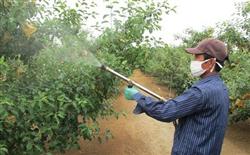
Foliar fertilizer refers to fertilizer supplied for crop uptake by means of foliar spraying. The fertilizer is generally dissolved in water and sprayed as a fine mist onto the surface of crop leaves, and the nutrients enter the plant body through the leaf stomata and cuticle. It is an important supplementary method to soil fertilization and is especially practical in the middle and late stages of crop growth or when root uptake is limited.
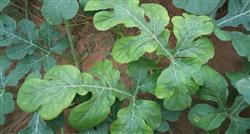
The advantages of foliar fertilizer are fairly prominent. Nutrients are absorbed quickly and take effect promptly, the fertilizer utilization rate is relatively high, and the amount used is also fairly economical. In correcting nutrient deficiency symptoms, such as leaf yellowing and poor plant growth, foliar spraying often responds faster than soil topdressing. In addition, it does not come into direct contact with the soil, so it is less affected by soil fixation and leaching.
Common types of foliar fertilizer include nitrogen fertilizers such as urea, phosphorus and potassium fertilizers such as monopotassium phosphate, fertilizers containing secondary and trace elements such as calcium, magnesium, iron, zinc and boron, and functional foliar fertilizers such as humic acids and amino acids. They are used more often on cash crops such as vegetables and fruit trees, and the appropriate type can be selected according to the growth stage and deficiency symptoms.
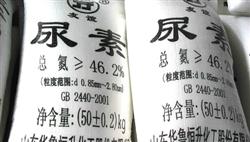
When using foliar fertilizer, concentration control is key. Too high a concentration easily scorches the leaves, while too low a concentration produces no obvious effect, so it should be handled flexibly by referring to the fertilizer instructions and taking the crop type into account. Spraying should preferably be done in the morning or evening when there is no wind and the temperature is not too high, with emphasis on spraying the undersides of the leaves to aid nutrient absorption. If urea is used as a foliar fertilizer spray, attention should also be paid to product quality and usage to avoid fertilizer burn.
Related reading