Characteristics and Scientific Application Methods of Nitrophosphate-Potassium Fertilizer
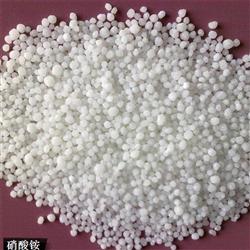
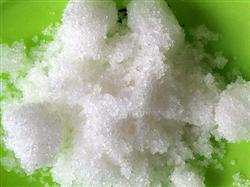
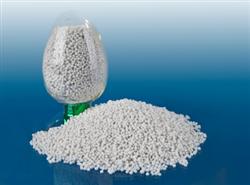
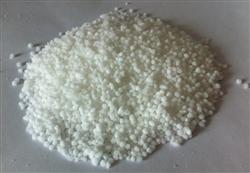
Nitrophosphate-potassium fertilizer is a nitrogen-phosphorus-potassium ternary compound fertilizer made by adding potassium to nitrophosphate fertilizer; it is generally produced by decomposing phosphate rock with nitric acid, followed by ammoniation, granulation and the addition of potassium fertilizer. It combines the three main nutrients in the same granule, giving relatively complete and balanced nutrition, and is one of the more common compound fertilizer varieties in agricultural production.
The standout feature of this type of fertilizer is its relatively complete range of nitrogen forms, usually containing both nitrate nitrogen and ammonium nitrogen. Nitrate nitrogen moves quickly and acts quickly, while ammonium nitrogen can be adsorbed by the soil and has a relatively lasting effect; the combination of the two balances quick action with steady action. In addition, most products use potassium sulfate as the potassium source and contain no chloride ions, making them relatively friendly to chloride-sensitive crops such as tobacco, potato and grape.
In terms of application, nitrophosphate-potassium fertilizer can be used both as a base fertilizer and as a topdressing. As a base fertilizer it is often applied deep in combination with tillage and land preparation; as a topdressing it is mostly applied in furrows or holes followed by covering with soil, and where irrigation is available it can also be applied by flushing with water. It is suitable for many crops such as grain crops, vegetables and fruit trees; the specific amount should be adjusted flexibly according to soil fertility, crop type and growth stage, avoiding too much applied at one time.
When using it, note that it should not be mixed directly with alkaline fertilizers, so as to avoid nitrogen loss; it should be stored in a cool, dry place, with attention to moisture-proofing and preventing caking; covering with soil or watering promptly after application helps improve nutrient use efficiency. If it can be applied together with organic fertilizer, it will be more helpful for building soil fertility and enhancing fertilizer efficiency.
Related Reading