Natural gas is a clean energy source with a wide range of uses in agricultural production
Natural gas is a combustible gas buried underground that can be extracted naturally. Its main component is methane, and it often contains small amounts of hydrocarbons such as ethane and propane. Pure natural gas is colorless and odorless, and its density is lower than that of air. After combustion, it mainly produces carbon dioxide and water, and it emits fewer pollutants than coal, so it is often regarded as a relatively clean fossil fuel.
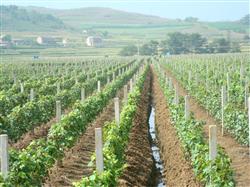
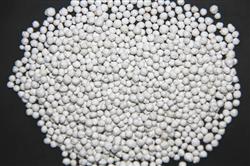
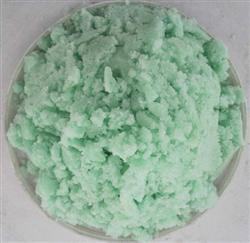
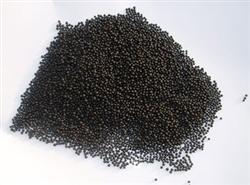
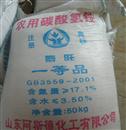
In agriculture, one of the most important uses of natural gas is as the basic raw material for producing nitrogen fertilizer. Natural gas can be used to make synthetic ammonia, which is then further processed into common nitrogen fertilizer varieties such as urea and ammonium bicarbonate, so the production and supply of nitrogen fertilizer are closely related to the availability of natural gas resources. Understanding this relationship helps growers understand the reasons behind fluctuations in the fertilizer market.
In addition to making fertilizer, natural gas can also be used directly as fuel in agricultural production, such as heating greenhouses in winter, drying grain, keeping livestock and poultry houses warm, and processing agricultural products. Compared with burning coal, natural gas burns more completely and is also more convenient and labor-saving to operate.
Safety must be taken into account when using natural gas in daily life. Piped natural gas generally has an odorant added so that leaks can be detected promptly. If you smell an unusual odor, first close the valve and open the windows for ventilation. Do not switch electrical appliances on or off or use open flames, and then contact professionals to inspect and repair it, ensuring gas safety.
Related Reading