Ammonium bicarbonate is a commonly used quick-acting nitrogen fertilizer, and applying it scientifically is key
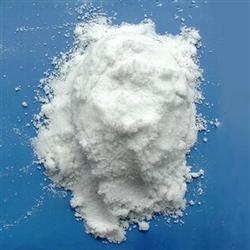
Ammonium bicarbonate, commonly known as ammonium bicarbonate, is a common ammonium-form nitrogen fertilizer. It usually appears as white or slightly off-color fine crystals, has a slight ammonia smell, and dissolves easily in water. After being applied to the soil, it decomposes quickly and can supply nitrogen to crops fairly rapidly. Combined with its wide availability and relatively low cost, it has long been widely used in agricultural production.
Ammonium bicarbonate can be used as a base fertilizer or as a topdressing, but it generally should not be used as a seed fertilizer in direct contact with seeds, so as not to affect germination. When applying it, deep placement in furrows or holes is recommended, followed by timely soil covering, and if necessary combined with watering, so that the fertilizer is better retained in the soil and losses from ammonia volatilization are reduced. Broadcasting it on the surface or applying it during high-temperature periods can easily cause nutrient loss and should be avoided as much as possible.
Ammonium bicarbonate should not be mixed with alkaline substances such as plant ash or lime, otherwise ammonia volatilization will be accelerated and fertilizer efficiency reduced. In addition, the ammonia produced by proper application in environments such as paddy fields has a certain inhibitory effect on some pests and pathogens, and some farmers use it as an auxiliary means of pest control, but it is essentially still a fertilizer and cannot replace specialized pesticides.
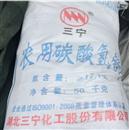
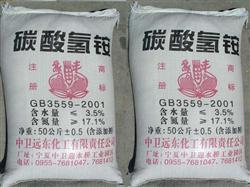
When storing ammonium bicarbonate, keep it in a cool, dry place with the packaging kept sealed, to avoid decomposition and caking after moisture and heat exposure. After opening, it is best to use it up as soon as possible. When purchasing, check whether the packaging labels are complete, whether the fertilizer looks loose, and whether there is severe caking or a pungent ammonia smell. Try to buy through proper channels for better quality assurance.
Related reading