How to use ammonium bicarbonate to prevent pests and diseases
What medicinal benefits does ammonium bicarbonate have? Which pests can potassium bicarbonate control? How do you use ammonium bicarbonate to prevent diseases and control pests? Experienced netizens are also asked to give a brief introduction. Ammonium bicarbonate, long known as "gas fertilizer," is not only a quick-acting nitrogen fertilizer that can rapidly provide nutrients for crop growth, but also has...
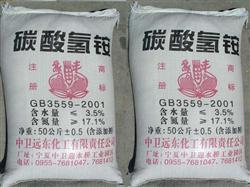 What medicinal benefits does ammonium bicarbonate have? Which pests can potassium bicarbonate control? How do you use ammonium bicarbonate to prevent diseases and control pests? Experienced netizens are also asked to give a brief introduction.
Ammonium bicarbonate, long known as "gas fertilizer," is not only a quick-acting nitrogen fertilizer that can rapidly provide nutrients for crop growth, but also has certain medicinal value and can effectively prevent and control the occurrence of crop pests and diseases. Below, Zhongdiwang introduces several methods for using ammonium bicarbonate to prevent diseases and control pests:
1. Deep application mixed with farmyard manure: When planting potatoes and sweet potatoes, mix 20-25 kg of ammonium bicarbonate per mu evenly with farmyard manure and apply it into the ridged soil. This can drive away and kill white grubs that harm seedlings; before planting vegetables such as Chinese chives, garlic, cowpeas, and cucumbers, mix 25-30 kg of ammonium bicarbonate per mu with farmyard manure and apply it deeply. This can kill root maggots and small cutworms.
2. Dilute and spray on leaves: If aphids appear on melons, fruits, and vegetables, dilute ammonium bicarbonate to 80-100 times, and use a sprayer to spray the stems and leaves of these crops evenly. This can kill aphids and reduce fungal, bacterial, and viral diseases such as late blight and verticillium wilt.
3. Make homemade pesticide using ammonium bicarbonate and copper sulfate as raw materials: Use 3.8 kg of ammonium bicarbonate and 0.5 kg of copper sulfate ground into powder, mix them evenly, then immediately add 1 kg of lime and mix well. Put the mixture into a container or an airtight nylon bag and seal it for 24 hours to make "copper-ammonium powder." When using it, dilute this copper-ammonium powder with water at 1200-1500 times according to the copper sulfate content to make a "copper-ammonium mixture." Spraying it on vegetables and cotton can not only prevent and control fungal and bacterial diseases, but also provide foliar topdressing.