The Characteristics and Correct Application Methods of Biological Phosphorus and Potassium Fertilizer
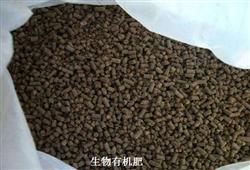
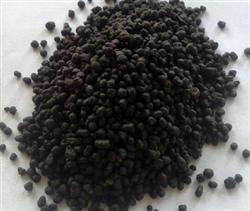
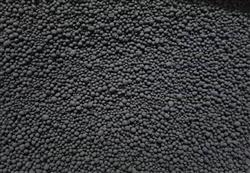
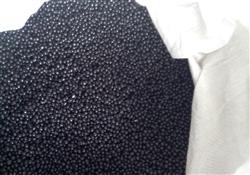
Biological phosphorus and potassium fertilizer is a type of fertilizer whose main active ingredients are functional microorganisms, and the microbial communities it contains are mostly beneficial microorganisms such as phosphate-solubilizing bacteria and potassium-solubilizing bacteria. After being applied to the soil, these microorganisms can decompose the phosphorus and potassium elements in the soil that are difficult for crops to absorb directly, converting them into usable nutrient forms, while also improving the rhizosphere microecological environment and creating more favorable conditions for crop root growth.
Compared with ordinary chemical fertilizers, the nutrient release of biological phosphorus and potassium fertilizer is relatively mild and long-lasting. While supplying phosphorus and potassium nutrients, it can also activate nutrients that have been fixed in the soil, reducing the loss and waste of chemical fertilizers. Long-term rational use helps build soil fertility and alleviate soil compaction, so it is widely adopted in green cultivation and ecological agriculture, often combined with bio-organic fertilizer, microbial fertilizer and others to form a comprehensive fertilization plan.
In terms of application, biological phosphorus and potassium fertilizer is mostly used as a base fertilizer or topdressing in the early growth stage. It can be applied in furrows or holes followed by covering with soil and watering, and keeping the soil moist is beneficial to the survival and reproduction of microorganisms. When using it, direct mixing with fungicides should be avoided so as not to kill the functional microbial community. Storage should be in a cool, dry place, and it should be used up as soon as possible after opening to prevent a decline in live bacterial activity from affecting fertilizer efficiency.
It should be noted that the effect of biological phosphorus and potassium fertilizer usually appears more slowly than that of quick-acting chemical fertilizers, and it generally cannot completely replace chemical fertilizers. In production, it is mostly used together with organic fertilizer and an appropriate amount of chemical fertilizer, so that nutrient supply is more stable and reliable. When purchasing, you can pay attention to the product's registration information, live bacterial count and shelf life, and, in combination with your own soil conditions and the fertilizer requirements of the crop, reasonably arrange the application rate and application period.
Related Reading