Characteristics, Classification and Scientific Application Methods of Biofertilizers
Biofertilizers are a general term for fertilizers that center on the life activities of microorganisms, using the reproduction and metabolism of beneficial bacteria to improve the soil environment and promote crop nutrient uptake. They do not necessarily provide large amounts of nutrients directly themselves, but rely on living bacteria to work; common strains include rhizobia, Bacillus, actinomycetes and others.
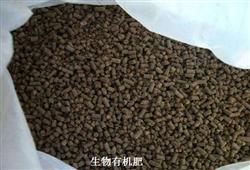
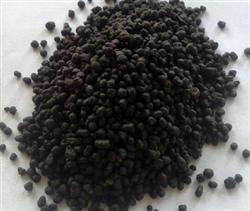
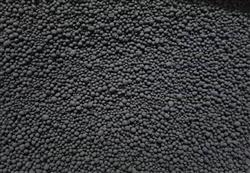
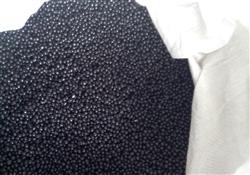
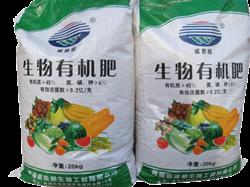
According to their composition and function, biofertilizers can be broadly divided into types such as microbial inoculants, compound microbial fertilizers and bio-organic fertilizers. Bio-organic fertilizer is made by adding functional bacteria to decomposed organic fertilizer, combining the dual roles of improving soil and supplying nutrients; bacterial fertilizer, by contrast, focuses more on the number and activity of living bacteria, and the two differ somewhat in raw materials and emphasis.
Compared with chemical fertilizers, the advantage of biofertilizers lies in building soil fertility and reducing soil compaction; long-term use helps lower the amount of chemical fertilizer applied and improve the quality of agricultural products. However, they take effect relatively slowly and are quite sensitive to temperature, humidity and soil pH, so exposure to strong sunlight and hot, humid environments should be avoided during storage.
When applying biofertilizers, proper methods should be noted: they can generally be applied as a base fertilizer in furrows or holes, and can also be used for root dipping or seed dressing; after application, cover with soil and water promptly, and keeping the soil moist helps the bacterial community colonize. At the same time, they should not be used at the same time as fungicides, and it is best to open and use them immediately to avoid loss of activity of the living bacteria that would affect results.
Related Reading