Characteristics and Scientific Application Methods of Vegetable-Specific Fertilizers
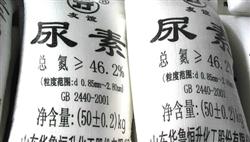
Vegetable-specific fertilizers are a type of fertilizer formulated for the characteristics of vegetables, such as fast growth, high nutrient demand and sensitivity to nutrient ratios. They are usually based on the major elements nitrogen, phosphorus and potassium, combined with secondary and trace elements such as calcium, magnesium, boron and zinc, so that the nutrient supply better matches the actual needs of vegetables. Compared with general-purpose fertilizers, they place more emphasis on matching the nutrient ratio to crop requirements, balancing yield and quality.
In terms of application methods, vegetable-specific fertilizers can be divided into base fertilizer types, topdressing types, water-flush fertilizers and foliar fertilizers. Base fertilizer types are mostly applied as a basal application when preparing the soil, mainly to provide nutrients over a sustained period; water-flush fertilizers are suitable for application with irrigation water, take effect relatively quickly and are often used for topdressing in the mid-to-late growth stages; foliar fertilizers quickly supplement nutrients through leaf spraying and are relatively convenient for alleviating deficiency symptoms.
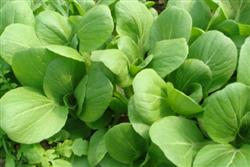
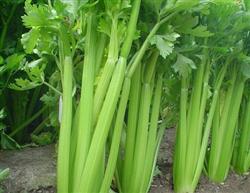
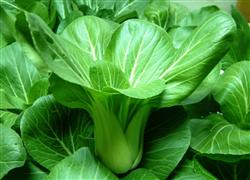
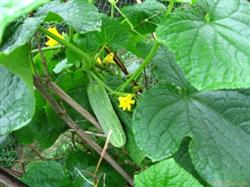
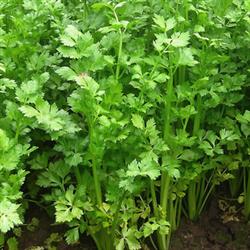
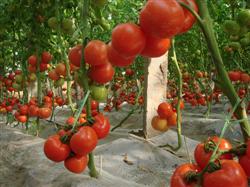
When applying them, adjustments can be made flexibly according to the vegetable type and growth stage. Leafy vegetables mainly need nitrogen supply to promote stem and leaf growth; fruiting vegetables need a proper increase in phosphorus and potassium nutrients during the flowering and fruiting period, which is beneficial for fruit setting and fruit enlargement. Foliar spraying should preferably be done on a windless cloudy day or in the evening, focusing on spraying the underside of the leaves, and the concentration should not be too high to avoid burning the leaves.
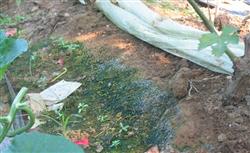
It should be noted that applying more fertilizer is not always better. Excessive application of organic fertilizer or chemical fertilizer can easily cause soil salt accumulation and compaction, and may also lead to problems such as root burn and excessive vegetative growth. It is recommended to arrange the amount reasonably according to soil conditions and vegetable growth, and to adhere to the principle of small amounts applied frequently and balanced fertilization, so as to maintain soil fertility and the yield and quality of vegetables over the long term.
Related Reading