A Complete Guide to the Characteristics, Classification and Application Points of Mixed Fertilizers
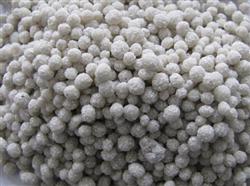
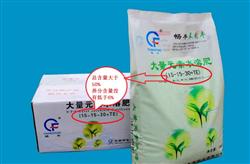
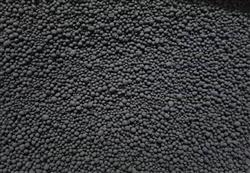
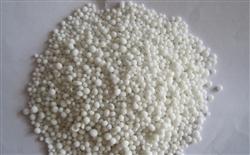
Mixed fertilizer refers to fertilizer made by mechanically mixing or secondary processing two or more single-element fertilizers, or single-element fertilizers together with compound fertilizers. Common types include blended fertilizer (BB fertilizer), compound mixed fertilizer and so on. It can flexibly adjust the nitrogen-phosphorus-potassium ratio according to soil conditions and crop needs, contains many kinds of nutrients, and can simultaneously meet the needs of crops at different growth stages.
Compared with a single fertilizer, mixed fertilizer has comprehensive nutrients and is convenient to apply; a single application can supplement multiple elements, reducing the number of fertilizer applications and saving labor costs. However, when mixing, attention must be paid to whether the components are compatible, to avoid nutrient loss or reduced fertilizer efficiency caused by chemical reactions, so not all fertilizers can be mixed together at will.
When applying mixed fertilizer, care should be taken not to mix it at will with varieties that readily react, such as alkaline fertilizers. Some mixed fertilizers are also not suitable for direct use as seed fertilizer, lest too high a concentration affect seed germination and seedling growth. Before application, it is best to first understand the soil fertility status, then choose a suitable formula according to the fertilizer requirements of the crop.
When using it, you should also apply it deeply and cover it with soil, or mix it thoroughly with the soil, to reduce nutrient loss and improve utilization efficiency. Unused fertilizer should be stored in a dry, cool place to prevent moisture absorption and caking. Only by mastering the correct methods of fertilizer selection and application can mixed fertilizer deliver a better yield-increasing effect.
Related Reading