Characteristics and Correct Use of High-Efficiency Foliar Fertilizers
High-efficiency foliar fertilizers are a type of fertilizer that supplements crop nutrients through foliar spraying. The nutrients enter the plant through leaf stomata and the epidermis, and they are characterized by rapid absorption and high utilization efficiency. Compared with soil fertilization, they are not limited by the absorptive capacity of the root system, and during critical crop growth periods or when root function weakens, they can quickly alleviate nutrient deficiency problems.
The advantages of this type of fertilizer are mainly reflected in its fast effects, economical use, and strong targeting. When crops show nutrient deficiency symptoms such as yellowing leaves and thin, weak plants, spraying the corresponding foliar fertilizer usually brings visible improvement within a relatively short time. In addition, foliar spraying can reduce nutrients being fixed in the soil, and it is especially suitable for supplementing elements that are easily fixed, such as boron, calcium, and iron.
Common high-efficiency foliar fertilizers can be divided into several major categories: macroelement types such as urea and monopotassium phosphate, trace element types such as boron fertilizer, zinc fertilizer, and iron fertilizer, and organic functional foliar fertilizers such as amino acids, humic acids, and alginic acid. They are widely used on vegetables, fruit trees, and field crops, and suitable varieties can be selected and used in combination according to crop type and growth stage.
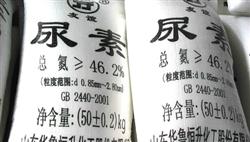
When using them, concentration control is key. Too high a concentration can easily burn the leaves, and different fertilizers and crops vary greatly in their concentration requirements, so they should be diluted according to the product instructions before spraying. Spraying should be scheduled in the morning or evening, avoiding high-temperature and strong-light periods, and care should be taken to spray the underside of the leaves to facilitate absorption. When urea is used as a foliar fertilizer, products with low biuret content should be selected to avoid fertilizer damage.
Related Reading