High-efficiency biological bacterial fertilizer can improve soil, and mastering the correct application method is very important
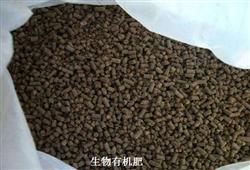
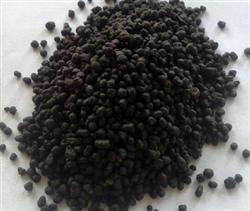
High-efficiency biological bacterial fertilizer is a type of microbial fertilizer. It is a live bacterial product made with functional beneficial microbial strains as the core, combined with organic matter or adsorption carriers. Common functional bacteria include Bacillus subtilis, phosphate-solubilizing and potassium-solubilizing bacteria, and nitrogen-fixing bacteria. These products have high requirements for the number of effective live bacteria and strain activity, so they are called high-efficiency.
Compared with ordinary fertilizers, the outstanding feature of high-efficiency biological bacterial fertilizer is improving the soil environment and activating nutrients. After application to the soil, beneficial bacteria colonize and multiply around crop roots, decompose phosphorus and potassium nutrients in the soil that are difficult to absorb directly, promote root growth, and can also inhibit some soil-borne diseases to a certain extent. Long-term use helps alleviate soil compaction and continuous cropping obstacles.
In terms of application methods, high-efficiency biological bacterial fertilizer can be used as a base fertilizer or topdressing, and can also be used for seed dressing, root dipping, and flushing application with water. The effect is more ideal when used together with organic fertilizer. After application, soil should be covered or watered as soon as possible to keep the soil moist and avoid inactivation of the bacteria caused by direct strong light. It should be noted that bacterial fertilizer should not be used at the same time as fungicides. The two should be applied separately with an interval of several days to avoid affecting the survival of beneficial bacteria.
It should also be noted that although biological bacterial fertilizer can improve nutrient utilization, it cannot completely replace chemical fertilizers and organic fertilizers. The specific amount should be flexibly adjusted according to crop type, soil conditions, and climate conditions. Products should be stored in a cool, dry place, avoiding high temperatures and exposure to the sun, and should be used up as soon as possible after opening to ensure that the strains maintain good activity.
Related Reading