Percarbamide is a fertilizer that combines nitrogen supply with oxygen supply
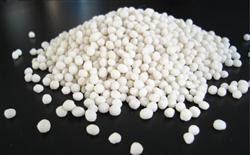
Percarbamide, also known as urea peroxide, is an adduct formed when urea and hydrogen peroxide combine through hydrogen bonding. It usually appears as white crystals or powder and is more stable than hydrogen peroxide solution, making it easier to store and transport. It contains both nitrogen and active oxygen, and when it meets water or is heated it gradually decomposes, releasing urea and hydrogen peroxide.
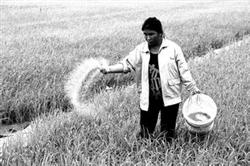
Compared with ordinary urea, percarbamide releases its nutrients more slowly and steadily, so it can supply fertilizer continuously over a longer period and reduce nitrogen loss. The oxygen produced during decomposition can also loosen the soil around the roots and improve the root respiration environment, so it is used more often in paddy fields, low-lying waterlogged plots and heavy clay soils.
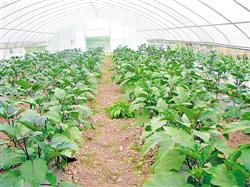
In agricultural production, percarbamide is commonly used as a slow-release nitrogen fertilizer and oxygen supply agent. It can be applied as a base dressing or top dressing, and can also be used in small amounts in horticultural seedling raising, hydroponics and soilless culture to supplement oxygen to the roots. In addition, it can be used to oxygenate water in aquaculture and to remediate contaminated soil, so its uses are fairly wide-ranging.
When applying it, pay attention to controlling the amount; too high a concentration easily irritates seeds and young roots and affects emergence and seedling recovery. When used as a foliar spray, it must be diluted thoroughly and applied in the early morning or evening when temperatures are lower, to avoid burning the leaves. During storage it should be kept in a cool, dry, well-ventilated place away from flammable materials, and used up as soon as possible after opening the bag, so that it does not absorb moisture and decompose and lose fertilizer efficiency.
Related reading