Can chlorine-containing fertilizers be applied in orchards?
Can chlorine-containing fertilizers be applied in orchards? Please explain that fruit trees are chlorine-sensitive crops and should not be given chlorine-containing fertilizers, but modern research shows that chlorine is a micronutrient required by plants, including fruit trees. An appropriate amount of chlorine in the soil can inhibit the nitrification of nitrogen in the soil, reduce nitrogen loss and the nitrate content of agricultural products...
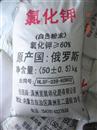 Can chlorine-containing fertilizers be applied in orchards? Please explain
Fruit trees are chlorine-sensitive crops and should not be given chlorine-containing fertilizers, but modern research shows that chlorine is a micronutrient required by plants, including fruit trees. An appropriate amount of chlorine in the soil can inhibit the nitrification of nitrogen in the soil, reduce nitrogen loss and the nitrate content of agricultural products, increase the content of available phosphorus in the soil, and also inhibit the occurrence of crop diseases, increasing crop yields and improving the quality of agricultural products. However, an excessive amount of chlorine in the soil can inhibit the activity of microorganisms in the soil and cause a decrease in enzyme activity, thereby affecting the transformation of various organic and inorganic substances in the soil, lowering the soil pH, acidifying the soil, and reducing soil permeability, thus directly or indirectly affecting the yield and quality of agricultural products.
Therefore, when applying chlorine-containing fertilizers in orchards, it must be done in moderation. According to the degree of influence of the amount of chlorine in the soil on crop yield and quality, the chlorine tolerance of crops can be divided into three grades: strong, medium, and weak. For crops with strong chlorine tolerance and those above medium, chlorine-containing fertilizers can be applied; for crops with below-medium and weak chlorine tolerance, chlorine-containing fertilizers can be selectively applied when the soil chlorine content is relatively low. Research shows that most fruit trees have weak or below-medium chlorine tolerance, so orchards can selectively apply chlorine-containing fertilizers.
Usually, applying 30 kg of potassium chloride per mu increases the soil chlorine content by 96 mg/kg. The chlorine content of most soils in Jiangnan is 25-50 mg/kg, and adding the two together gives only 121-146 mg/kg or less, which is below the critical chlorine tolerance value for fruit trees of 165 mg/kg and will not affect fruit yield and quality. However, when 40 kg of ammonium chloride is applied per mu, the soil chlorine content increases to 180 mg/kg, and added to the original chlorine content of the soil, it has already exceeded the critical chlorine tolerance value of most fruit trees, which is bound to affect fruit yield and quality. If potassium chloride and ammonium chloride are applied at the same time, the damage is even greater. Therefore, when applying compound fertilizer in orchards, potassium sulfate compound fertilizer should be used, and chlorine-containing compound fertilizer should not be used. In summary, in orchards, potassium chloride can be applied at the amount of potassium required by fruit trees, and ammonium chloride can also be applied at 20 kg/mu or less, but the two fertilizers cannot be applied during the same period, nor can compound fertilizers containing both chlorides be applied.
Click to get more compound fertilizer application techniques
Click to get more fertilizer application techniques