NPK compound fertilizer has a complete nutrient profile and can meet the various nutritional needs of crops
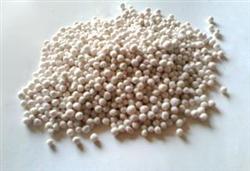
NPK compound fertilizer refers to a chemical fertilizer that contains all three nutrients, nitrogen, phosphorus and potassium at the same time, and is generally made through processes such as chemical synthesis or physical mixing. The element nitrogen promotes the growth of stems and leaves, phosphorus is beneficial to root development and flowering and fruiting, and potassium can enhance the crop's resistance to lodging, disease and cold; applying the three together can meet the nutritional needs of the crop throughout its growth period in a relatively balanced way.
Compared with single-element fertilizers, compound fertilizer contains more types of nutrients and a higher total nutrient content, so a single application can supplement multiple elements, reducing the number of fertilizer applications and labor costs. It has fewer by-components, so its adverse effects on the soil are relatively small. However, the nutrient ratio of compound fertilizer is fixed, making it difficult to fully match the needs of different plots and different growth stages of crops, so in production it often needs to be adjusted in combination with single-element fertilizers.
According to the manufacturing process, compound fertilizer can be divided into types such as chemically compounded fertilizer, blended fertilizer and bulk blended fertilizer; according to nutrient composition, it can also be divided into chlorine-based, sulfur-based and nitro-sulfur-based types, among which chlorine-based compound fertilizer should not be used on chlorine-sensitive crops such as tobacco, potato and grape. There are also special fertilizers developed for crops such as rice, wheat, fruit trees and vegetables on the market; when purchasing, you can choose a suitable ratio according to soil conditions and crop type.
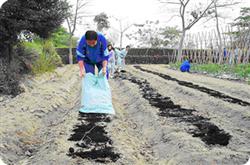
When applying, it is mostly used as a base fertilizer, applied in furrows or holes and appropriately deep, taking care to keep a certain distance from seeds or roots to avoid burning seeds and seedlings; when used as a topdressing, it can be combined with single-element nitrogen fertilizers such as urea or foliar fertilizer to supplement nutrients. Fertilizer should be stored in a dry and ventilated place to prevent moisture and caking; if it has already caked slightly, using it after breaking it up generally does not affect fertilizer efficiency.
Related reading