Characteristics and Uses of Elm Leaves: Get to Know This Common Northern Tree Leaf
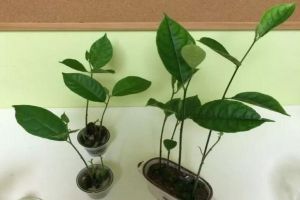
Elm leaves are the leaves of the elm, a deciduous tree that is very common in China's northeast, north, and northwest regions, where it can often be seen beside villages, along roadsides, and on field ridges. Elm leaves are generally ovate or elliptic-ovate, with finely serrated edges and a rough surface that feels somewhat like frosted glass to the touch.
The elm has strong adaptability, tolerating cold and drought, and is not demanding about soil; it can grow lush and full even in poor, dry places. In spring, the elm flowers and fruits first, with strings of elm samaras covering the branches, and only afterward do the leaves gradually unfurl; they are deep green in summer and turn yellow and fall in autumn, giving a very distinct seasonal change.
Elm leaves have fairly diverse uses. In rural areas, the tender leaves are often gathered to feed sheep and rabbits, and are regarded by many farmers as green fodder; after drying, they can also be stored as roughage. In some regions there is also a custom of picking tender leaves to eat as a wild vegetable, either blanched and served cold or mixed into flour-based foods. In addition, elm leaves have a folk tradition of use in medicinal remedies; if you want to use them to regulate your health, it is best to consult a doctor first and not use them as medicine on your own.
When picking elm leaves, be careful to avoid trees that have been sprayed with pesticides, and try not to pick from plants along roadsides that are easily polluted by exhaust fumes; always wash them thoroughly before eating. Also, elm leaves and elm samaras are different parts, with differences in both appearance and taste, so do not confuse them when picking. Overall, although elm leaves are inconspicuous, they are a plant resource with many uses, and getting to know them also helps in understanding the elm, this common native tree species.
Related Reading