An Introduction to the Characteristics, Habits and Care Methods of Scarlet Sage
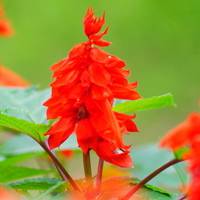
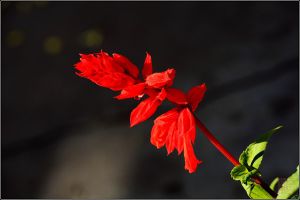
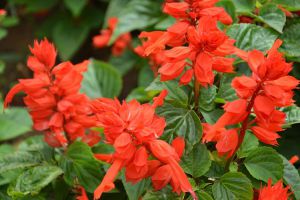
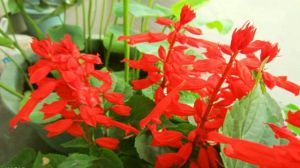
Scarlet sage (Salvia splendens) is an annual or perennial herbaceous plant of the genus Salvia in the mint family, Lamiaceae. It gets its name because its inflorescences are arranged in a spike-like series and the flowers are mostly a vivid red. In many regions it is also called firecracker red or firecracker flower; when it blooms, the small flowers grow densely in clusters along the flower stem, looking from a distance like strings of little firecrackers, making it highly ornamental.
Scarlet sage prefers a warm, humid environment with plenty of sunlight, is not tolerant of severe cold, and is suited to loose, fertile, well-drained soil. It has fairly strong adaptability and will grow vigorously with proper management. It generally enters its full flowering period in summer and autumn, and the red inflorescences remain ornamental for a long time, making it a common choice for flowerbed displays.
When caring for scarlet sage, be sure to give it ample light; insufficient light easily leads to leggy growth and fewer flowers. Watering should follow a wet-dry cycle, avoiding long-term waterlogging of the potting soil, which can cause root rot. Pinching the tips appropriately during the growing period can encourage branching and make the plant fuller, and supplementing with phosphorus and potassium fertilizer before flowering helps the flowers become more brilliantly colored.
Scarlet sage is often used for mass plantings in flowerbeds and flower borders, and is also suitable for growing in pots placed on a balcony or in a courtyard. Its lively red color creates a festive atmosphere, and in the language of flowers it is often given the beautiful meaning of warmth and good fortune. Many people wonder whether it is toxic; it is generally considered that, as an ornamental flower, scarlet sage does not contain obvious toxicity, so displaying it for viewing is no problem, though it is still not recommended for eating. When grown indoors, as long as good ventilation and sufficient light are ensured, scarlet sage can likewise be kept in good condition.
Related Reading