Is scarlet sage suitable for indoor growing? A detailed guide to care precautions
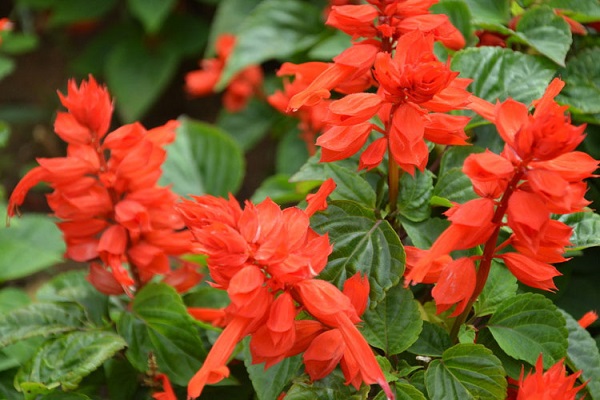
1. Indoor growing location
The indoor growing location for flowers is generally on a balcony, which is the best place for their growth and development and benefits their growth. Next, a position near a window indoors with plenty of sunlight also allows for problem-free growth, but the flowers produced in this environment will certainly not be as gorgeous as those produced outdoors; overall there is no problem. Finally, growing them in a spot indoors with diffused light generally does not produce good flowering, but sometimes there may be surprises.
2. Light requirements
The growth of all plants depends on it, and of course this plant is no exception; placing it indoors in summer is better for it. Because summer sunlight is too intense, direct exposure may very likely scorch its leaves. Indoors this problem can be avoided, and moreover, water can be replenished in time according to its growth condition, allowing it to grow better and faster.
3. Temperature
Although this plant does not have high temperature requirements, no matter what region it is in, when winter temperatures are low, the plant cannot withstand this cold. So growing it indoors is also a good way to overwinter safely.
4. Precautions
During the growth stage, the plant needs timely pinching and pruning to control the flowering period, ensuring both good plant growth and an attractive appearance. The amount of watering must also be controlled and not taken to extremes; when fertilizing, it must be sufficient and nutrition must also be ensured. More importantly, attention must be paid to pest and disease control; its common diseases include damping-off, leaf spot, downy mildew and mosaic disease. If the above symptoms are found, they should be dealt with promptly and treated with pesticides.