Daffodils are cold-hardy, sun-loving early-spring bulbous ornamental flowers
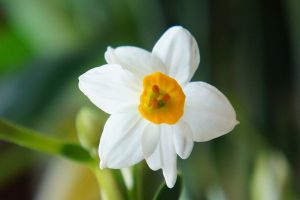
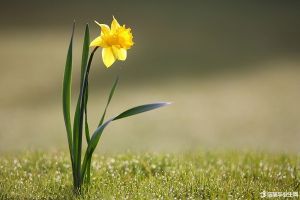
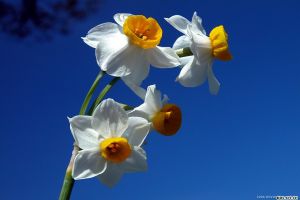
Daffodils are perennial herbaceous bulbous plants of the genus Narcissus in the family Amaryllidaceae. They get their name because they originated along the Mediterranean coast of Europe, and they are also often called yellow narcissus or trumpet narcissus. They belong to the same genus as the traditional Chinese narcissus (Narcissus tazetta var. chinensis) but are a different species, with larger flowers, a trumpet-shaped raised corona, and an overall upright, sturdy plant form, making them highly ornamental.
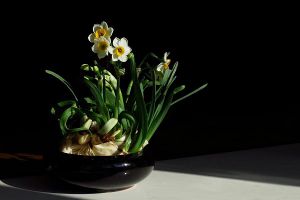
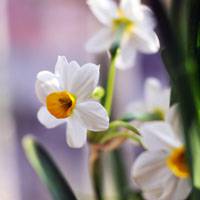
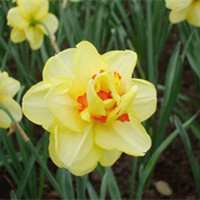
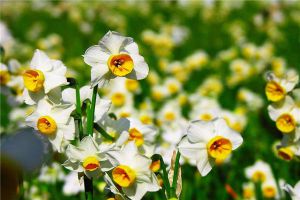
Daffodils mostly bloom in early spring, with flower colors mainly yellow and white, as well as bicolor types such as orange-yellow and creamy white. Common classifications include trumpet daffodils, double daffodils, and small-cupped daffodils. Different varieties differ noticeably in plant height and flower form, making them suitable both for planting in the ground in courtyards and for flower bed arrangements, as well as for growing in pots for display or for use as cut flowers.
In terms of care, daffodils prefer a cool, moist environment with plenty of sunlight, have fairly good cold hardiness, and are best planted in loose, fertile, well-drained sandy soil. Propagation is mainly by bulb division. Generally, the bulbs are planted in the soil in autumn, and with moderate moisture they can overwinter naturally and bloom smoothly the following spring.
It should be noted that the bulbs of daffodils contain toxic compounds and are not edible. After contact with the sap, you should wash your hands promptly. If there are children or pets in the home, they should be placed properly. After flowering, the spent flowers can be cut off while temporarily keeping the leaves, allowing nutrients to flow back into the bulb and accumulate nutrition for blooming the following year.
Related Reading