How to Prune Daffodil Leaves Correctly
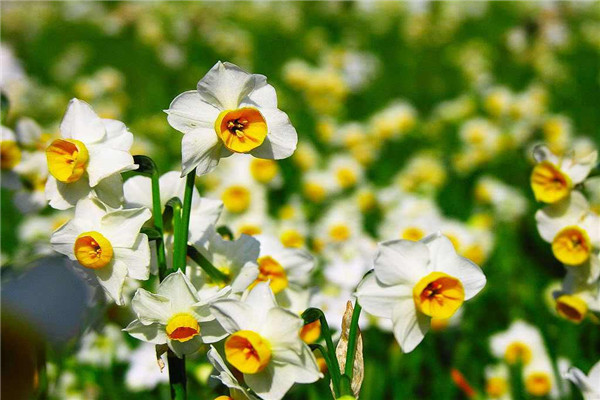
I. Can This Flower Be Pruned?
In fact, daffodils can be pruned. Normally, when our plant's leaves turn yellow and dry up, we should promptly prune away the yellow and withered leaves, because especially in water cultivation, the plant consumes the nutrients stored within itself, so timely pruning can prevent waste of nutrients. In addition, some leggy or overly long leaves can also be pruned, which not only makes the plant more ornamental but also benefits the plant's health. So feel free to prune it!
II. Specific Operating Methods
1. Pruning Withered and Yellow Leaves
For pruning the plant's leaves in this situation, there are not many things to pay attention to. As long as you find yellow leaves on the plant, simply cut off the entire leaf along the lowest position. However, to prevent harm to the plant, it is recommended to choose a sharper tool, so as to minimize the wound area as much as possible. Relatively speaking, it is very simple to do, and many flower lovers directly pulling off the yellow leaves also causes no big problem.
2. Pruning Leggy and Overly Long Leaves
For pruning the plant's leaves in this situation, we need a bit more patience. Many flower lovers are skeptical about pruning leggy leaves, believing they should not be pruned because it would harm the plant, but in fact, as long as we do a good job of hygiene protection, pruning the leaves will not affect flowering.
First, we need to disinfect the pruning tools. And wipe the leaves to remove dust. It is best to prune the leaves to about 20 to 25 cm. Before pruning, you can first gather the leaves together with a string or cloth strip, then use sharp scissors to prune them. It is best to cut them evenly, and then keep the leaf edges as short as possible. If you are afraid that cutting all at once may not be good, you can first cut off a portion as appropriate, but after cutting, be sure to note that after pruning, you can place it on a balcony for reasonable light exposure. This can effectively reduce the breeding of bacteria and prevent infection of the leaf wounds.