Is Hydrangea Poisonous? A Full Guide to the Toxic Parts and Safe Care
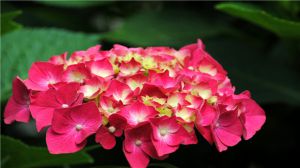
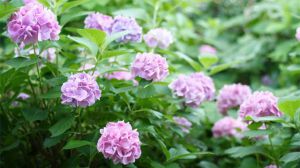
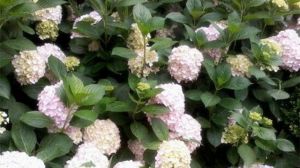
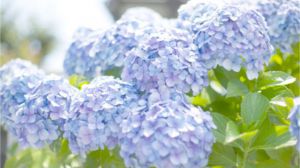
Hydrangea is a common ornamental shrub with full, rounded flower heads whose color can change with the acidity or alkalinity of the soil. It is often used in courtyard landscaping and as a potted ornamental plant. Many gardeners wonder whether it is toxic, and the answer is yes: the entire hydrangea plant is somewhat toxic, but as long as you simply enjoy it and do not eat it by mistake, it generally poses no harm to human health.
As for the toxic parts, the stems, leaves and flowers of the hydrangea all contain toxic compounds, with the sap being relatively concentrated. After accidentally eating the stems, leaves or flowers, symptoms such as nausea, vomiting and abdominal pain may occur, and people with sensitive skin may also develop redness, itching and other irritation after contact with the sap.
There is no need to give up this flower for home growing; you just need to pay attention to a few details. It is best to wear gloves when pruning or repotting, and wash your hands promptly afterward. If there are children or pets at home, place the pot out of reach and remind children not to pick the flowers and put them in their mouths.
As for whether pregnant women are affected, normal display and viewing generally have little impact. The hydrangea has a light scent and does not spread toxicity through the air, but pregnant women should avoid direct contact with the sap of pruned branches and leaves, and keep the room ventilated when the plant is kept indoors. Overall, hydrangea is safe to enjoy, and the risks mainly come from accidental ingestion and contact with the sap. With proper precautions, you can grow it with peace of mind.
Related Reading