A Complete Guide to Hydrangea Growing Methods and Precautions
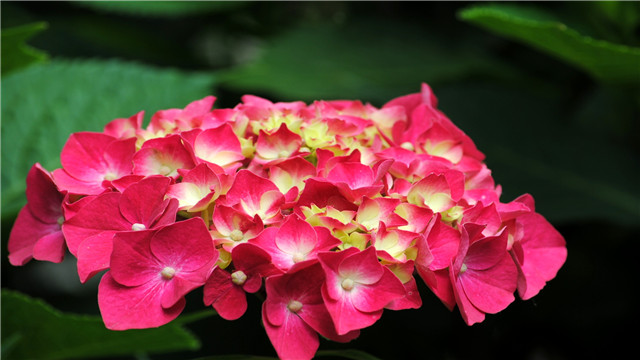
I. Soil
Growing hydrangeas requires soil with high nutrient content and strong air permeability. You can make it by mixing leaf mold, garden soil, river sand and cake fertilizer in a 4:3:2:1 ratio, or by mixing leaf mold, sandy soil and cake fertilizer in a 6:3:1 ratio.
II. Light
Hydrangeas prefer shade over sun. In spring, it is best to move them outdoors to a semi-shaded spot for care. In summer, a moderate amount of shading may be needed. In autumn, as the light gradually weakens, place them in a bright spot to promote flower bud differentiation. In winter, they can be placed in a sunny spot indoors.
III. Water
Hydrangeas like moisture but fear waterlogging, so water frequently but not too much at once. Water more in spring and summer, reduce watering appropriately after autumn, and reduce watering again after winter.
IV. Temperature
The most suitable growing temperature for hydrangeas is 18-28°C. In winter, pay attention to keeping them warm and raise the temperature above 5°C to prevent them from frost damage.
V. Precautions
1. Acidic soil. Besides normal watering, you can also add one or two drops of salt-free edible vinegar to the water. This can lower the soil's pH value, thereby helping the hydrangea grow better.
2. Timely pruning. During its growing period, pinch off the growing tips to promote the growth of side branches. Before winter arrives, cut it short to help it survive the winter more easily.