Hydrangea Picture Gallery: Admire Hydrangea Varieties and Flower Colors
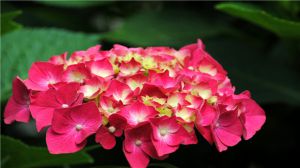
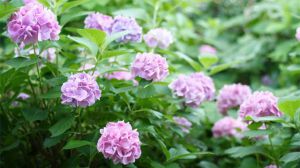
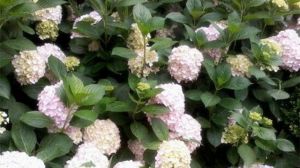
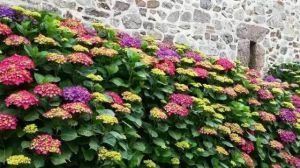
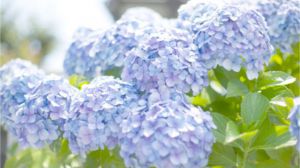
Hydrangea, also known as eight-immortals flower and zi yang flower, is a common ornamental shrub, named for the way many small flowers cluster densely into a spherical shape. Late spring to summer each year is its peak blooming period, and it is also the time when hydrangea pictures are most abundant online. Through pictures you can intuitively see its large, round flower heads and full flower form, which is one of the reasons it is so loved by flower enthusiasts.
From the pictures, the most striking feature of the hydrangea is its changeable flower color. The same variety may show different colors such as blue, pink and purple under different soil pH conditions, so comparison photos of the same plant at different stages are common. In addition, what appears to the naked eye as petals are actually mostly enlarged sepals, which is especially clear in close-up pictures.
Among the hydrangea varieties that appear frequently in pictures are bigleaf hydrangea, panicle hydrangea, smooth hydrangea and oakleaf hydrangea. Bigleaf hydrangea has large flower heads and rich colors, making it the most photographed; panicle hydrangea has conical flower heads and mostly blooms between summer and autumn; oakleaf hydrangea has leaves shaped like oak leaves, and the foliage also changes color in autumn, giving it a longer ornamental period. Comparing pictures of different varieties helps you choose the right type according to the conditions of your garden or balcony.
For growers, hydrangea pictures also have practical reference value. When a plant develops problems such as root rot, yellowing leaves or dry, withered edges, you can photograph the symptoms and compare them with disease pictures to make a preliminary judgment of the cause, then adjust accordingly based on cultivation methods and precautions. It should be noted that the whole hydrangea plant contains certain toxic components, so accidental ingestion should be avoided; it is best to wear gloves when pruning or repotting, and households with pregnant women, children or pets should place it with care.
Related Reading