The Difference Between Bananas and Plantains: Telling Them Apart at a Glance by Shape and Taste
Bananas and plantains are a pair of close relatives in the banana family (Musaceae), similar in appearance and comparable in taste, and they are often confused for one another in the market. In fact, the two belong to different species botanically, and there are quite a few differences from the fruit to the plant itself. Grasp a few key points and it becomes easy to tell them apart.
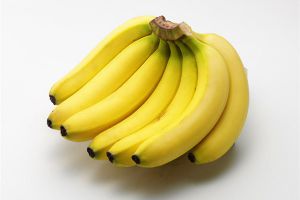
First, look at the shape. Bananas are mostly curved into a crescent shape, with a slender fruit body, and once ripe the ridges on the peel are not very obvious; plantains have a shorter, thicker fruit body, slightly narrow at both ends and plump in the middle, with fairly distinct ridges on the peel. In addition, the peel of plantains is usually a bit thinner than that of bananas, which you can also feel when peeling them.
Next, look at the taste. Bananas are richly sweet with a full aroma and soft, smooth flesh; plantains are sweet with a hint of tartness, with firmer and finer flesh that eats soft and sticky with a sweet aftertaste. Traditionally, bananas are also considered cooling in nature, so people with weak and cold stomachs and spleens should not eat too many, whereas plantains are relatively milder, so those with weaker digestion can also try a small amount.
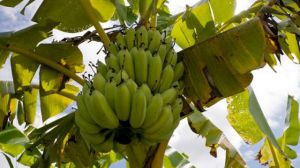
There are differences in the plant as well. Strictly speaking, neither bananas nor plantains are true trees, but large herbaceous plants with thick stems; calling them trees is just a common name. Compared with each other, bananas like warmth and fear the cold, while plantains are more cold-tolerant, so in areas with lower temperatures, what is mostly grown in the open field is plantains.
When choosing, just pick according to your needs: if you like a sweet, fragrant, soft and smooth taste, buy bananas; if you prefer something soft and sticky with a bit of tartness, you can try plantains. Both fruits are rich in potassium and dietary fiber, and once ripe they do not keep long, so after buying them it is best to put them in a cool, ventilated place and eat them as soon as possible.
Related Reading