Crab Claw Cactus: How to Grow It and Key Flowering Care Tips
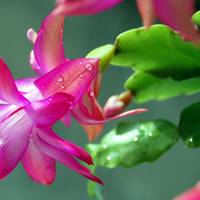
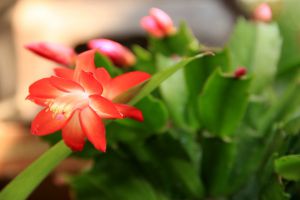
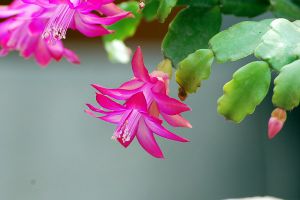
The crab claw cactus (Schlumbergera truncata) is an epiphytic plant in the cactus family, genus Schlumbergera, named for its flattened stem segments that resemble crab claws. It originates from tropical rainforest regions, where it often grows attached to trees or rocks, and it prefers a warm, humid environment with diffused light; it cannot tolerate intense direct sun or waterlogged potting soil over long periods.
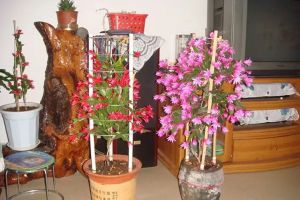
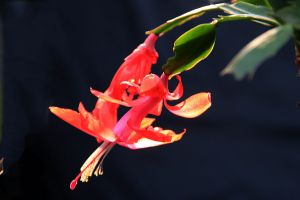
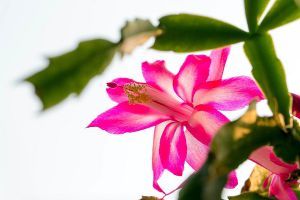
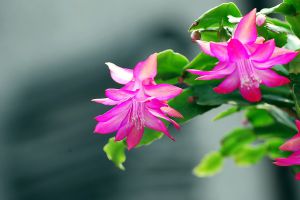
The flowers of the crab claw cactus are borne at the tips of the stem segments, and the flower colors include rose red, pink, white and more. The flowering period is mostly concentrated from autumn and winter to early spring, making it an important indoor ornamental flower in winter. In horticulture there are also similar-looking plants such as the Easter cactus and the false Christmas cactus, and their day-to-day care methods are broadly similar.
For growing the crab claw cactus, choose loose, airy soil with good drainage; you can make a mix of leaf mold combined with perlite or coarse sand, and placing a layer of drainage material at the bottom of the pot is even better for root respiration. During the growing season, keep the potting soil slightly moist; during flower bud differentiation, reduce watering appropriately and provide plenty of natural light to help buds form. If the plant is slow to produce flower buds, it is often related to improper light arrangement, light interference at night or too much nitrogen fertilizer, and you can adjust by changing its position and the fertilizer ratio.
The crab claw cactus has relatively weak roots, so repotting is best done after flowering; after repotting, first place it in a ventilated, shady spot to recover, then resume normal watering a few days later. When the stem segments are too long or too dense, you can remove some segments to encourage new shoots and make the plant fuller; the cut segments, once the wounds have dried, can also be used for cuttings propagation.
Related Reading