What Kind of Plant Is Prunella vulgaris? An Introduction to Its Characteristics, Uses and Growing Points
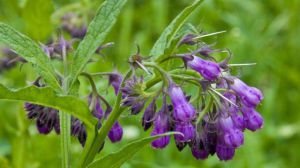
Prunella vulgaris (common selfheal) is a wild herb commonly seen in fields, along roadsides and on hillsides. In folk usage it is often confused with Xiakucao and generally refers to a perennial plant of the Lamiaceae family. It sends up spike-like inflorescences in late spring and early summer, with pale purple or blue-purple flowers, and after summer begins the seed spikes gradually turn yellow and dry, which is how the name Xiakucao (summer-withered grass) came about. This herb is highly adaptable, is distributed across most parts of our country, and often grows in patches.
In appearance, Prunella vulgaris is not a tall plant; its stems are square, and its leaves are opposite, mostly ovate or oblong. Its verticillasters are densely gathered into spikes, looking like little sticks from a distance, which is why in many places it is also called bangchuicao (mallet grass). It likes a warm, humid environment, tolerates cold and poor soil, is not strict about soil requirements, and grows better in loose, well-drained ground.
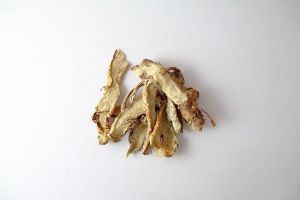
The value of Prunella vulgaris lies mainly in two aspects: medicinal and ornamental. Its dried seed spikes are a common traditional medicinal material and often appear in herbal tea and summer beverage formulas; folk belief holds that it clears liver fire and improves eyesight, though actual use should still take your own constitution into account. At the same time, it has a long flowering period and distinctive flower spikes, and many people grow it as a wildflower or groundcover plant to accent courtyards and flower borders.
If you want to grow a clump yourself, you can sow seeds or propagate by division in spring and autumn. Day-to-day care is fairly casual; just keep the soil slightly moist and avoid waterlogging. When harvesting, it is best to choose the time in summer when the seed spikes are half withered, cut them off, dry them in the sun, and store them in a ventilated, dry place. Note that this kind of herb has some medicinal properties, so before using it to make tea or add it to food, it is best to learn a little about it first; if you are unsure, consulting a professional is safer.
Related Reading