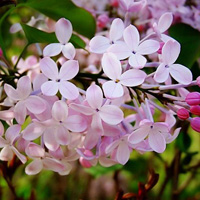
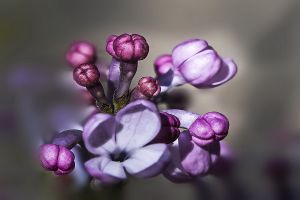
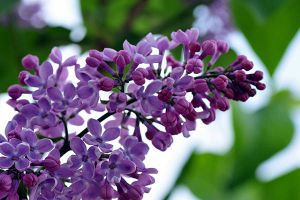
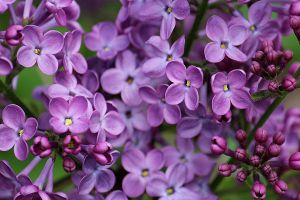
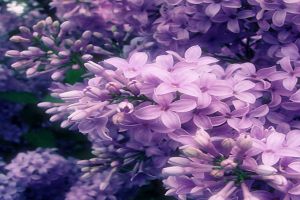
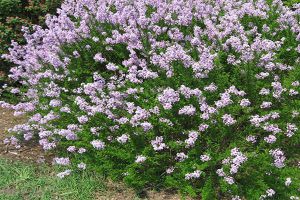
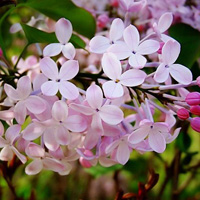
May lilac generally refers to the lilac flower, which blooms in spring with a rich fragrance
May lilac is not a separate botanical name, but rather a common name people use for the lilac flower, because lilacs mostly bloom in April and May in spring, and are in full bloom around May, so they are often called May lilac. It belongs to the genus Syringa in the family Oleaceae, and is a deciduous shrub or small tree, a common woody ornamental plant for gardens.
The most striking feature of the lilac flower is its rich fragrance; the flowers are small but open in clusters, and common flower colors include purple, pale purple and white, among which the common lilac (Syringa vulgaris) and the white lilac are used more often in landscaping. The plant is fairly cold-hardy, prefers a sunny spot with well-drained soil, and is one of the important spring-flowering tree species in northern China.
In terms of care, note that the soil must not stay waterlogged for long; when watering, stick to letting the soil dry out between waterings, otherwise root rot is easy to develop. Lilacs love light, so they should be planted in a sunny spot; before the flowering period you can appropriately supplement with phosphorus and potassium fertilizer, and after flowering promptly cut off spent flowers and overly dense branches, which helps flowering the following year. Propagation can be done by cuttings, grafting or sowing, with cuttings and grafting more commonly used for home cultivation.
In routine care, if you find the leaves turning black, it is mostly related to poor ventilation, overwatering or disease, and you need to promptly cut off the diseased leaves and improve the environment. Especially during the hot, rainy summer, prevent water from collecting at the roots and keep the soil loose and airy, so that lilacs can bloom abundantly year after year.