A Detailed Guide to Sowing and Sprouting Dancing Grass Seeds
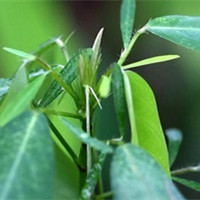
Dancing grass (Codariocalyx motorius) is a small shrub in the legume family, genus Codariocalyx, named for the way its lateral leaflets swing on their own under suitable temperature, light and sound-wave stimulation, making it highly ornamental. Dancing grass seeds are the propagation material of this plant; once mature, the pods split open to reveal tiny seeds, and they are a common choice for home sowing and seedling raising.
The outer seed coat of dancing grass seeds is fairly hard and poor at letting water through, so direct sowing often results in slow and uneven germination, and pre-sowing sprouting treatment is generally needed. The usual approach is to first soak the seeds in warm water so they absorb water fully; you can also gently rub part of the seed coat to help water penetrate, and once the seeds swell or show white, sow them into the soil, and emergence will be much smoother.
For sowing, choose loose, airy soil with good drainage, and do it in a season when temperatures have warmed up and are stable; spring and autumn are both suitable. After sowing, cover with a thin layer of soil, keep the soil slightly moist but not waterlogged, and place it in a warm, bright spot for care. After the seedlings emerge, gradually increase the light, and once several true leaves have grown they can be transplanted and set in place.
Dancing grass can be planted in the ground in a courtyard or grown in a pot for ornamental viewing; its leaves swaying gently with the environment often amazes people, making it a highly interesting plant for science education and ornament. Note that dancing grass likes warmth and fears cold, so it should be moved indoors for warmth in winter; during the growing season, keep the light abundant and water and fertilizer moderate so the plant can grow robustly and dance beautifully.
Related Reading