Is Narcissus Poisonous? Know the Toxicity and Care Essentials for Peace of Mind
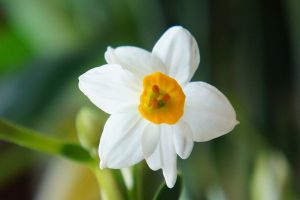
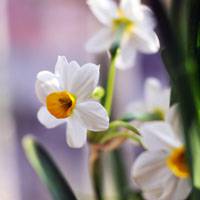
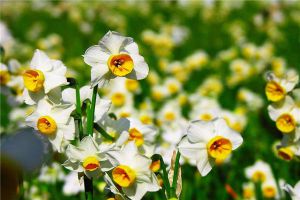
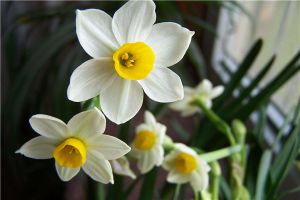
Narcissus (daffodil) does indeed have a certain level of toxicity. It belongs to the Amaryllidaceae family, and every part of the plant contains alkaloids such as lycorine, with the bulb being the most toxic, followed by the leaves and flowers. When simply displayed for viewing, the toxicity does not escape into the air, so as long as you do not eat it or let the sap touch your skin for long periods, it generally causes no harm.
Ingestion is the main risk. The narcissus bulb resembles garlic or onion in appearance, so if they are stored together or mistaken for food, it can cause nausea, vomiting, abdominal pain, diarrhea and other discomfort. Children, cats and dogs in the home also need to be watched carefully for accidental ingestion. In addition, when pruning or peeling the bulbs, a small number of people with sensitive skin may develop redness, itching and other irritation from contact with the sap; simply wash promptly after contact.
A few precautions make keeping them at home quite safe. After handling the bulbs, changing the water or pruning, wash your hands under running water, and clean used tools separately; place hydroponic containers as much as possible out of reach of children and pets; do not casually leave trimmed leaves and spent flowers near vegetable baskets or dining tables; and never try to steep the flowers or leaves in water or use them in cooking.
Overall, narcissus is a plant that can be enjoyed safely but handled with care. Its delicate fragrance and its habit of blooming in winter and spring have long made it a favorite. As long as you avoid ingesting it and avoid prolonged direct contact with the sap, keeping a pot indoors is no problem. If a family member or pet shows signs of suspected poisoning, seek medical attention promptly and tell the doctor which part was ingested and how much.
Related Reading