What to Do If Your Narcissus Won't Bloom? Causes and Solutions
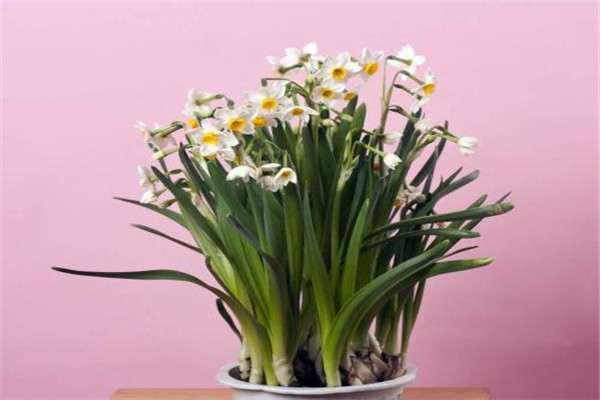
I. Normal Blooming Period
To investigate why this flower won't bloom, we first need to understand when it normally blooms. Generally speaking, narcissus blooms in spring, that is, from December to around March of the following year, with the blooming period lasting about 10 to 15 days. Gardeners can use these standards to judge whether their narcissus is blooming normally.
II. Causes of Failure to Bloom and Solutions
1. Poor-quality bulbs
Many gardeners run into a problem: even with particularly proper care, the narcissus still just grows leaves without blooming. What's going on? Actually, this situation is very likely a problem with the plant itself, unrelated to care. The vast majority of gardeners, when purchasing bulbs, cannot tell whether the bulbs are from the current year or distinguish good bulbs from bad ones, which is the reason the plant won't bloom. But in this case there's no need to worry too much; generally after two to three years of care, the narcissus will be able to bloom.
2. Unreasonable timing for starting water culture
Narcissus is a dormant flower. If gardeners start water culture at an unreasonable time, it will cause the narcissus not to open or to produce what we commonly call "blind flowers." Therefore, it's recommended to avoid starting water culture after Qingming and before Frost's Descent. That way, blooming won't be affected!
3. Not changing the water in time
When growing narcissus in water, there are certain requirements for water cleanliness. If the water isn't changed for a long time, or not changed in time, bacteria are very likely to breed in the water, affecting the plant's normal growth. In severe cases, it can even cause the bulb to rot, and blooming will naturally be affected. The solution is to change the water promptly to keep the water clean. If the plant has already rotted, it's recommended to cut away the rotten parts of the bulb and re-sterilize both the hydroponic container and the plant's wounds. Also, a reminder: if you use tap water for hydroponics, it's best to let it sit and aerate for a day beforehand.
4. Unreasonable temperature and light
An important factor for narcissus blooming is light, which many people overlook. Generally, insufficient light combined with high indoor temperatures will cause the plant to grow leggy, leading to fewer flowers or even no flowers at all. Therefore, if you want to ensure the plant blooms, you need to regulate the indoor temperature and make sure the plant receives 4 to 6 hours of light each day. Grown this way, the narcissus will naturally produce fresh, delicate, and lovely blooms!