A Detailed Guide to Pine Bonsai Care Methods and Shaping Techniques
Pine bonsai is a traditional bonsai cultivated and created using plants of the pine family (Pinaceae) as material, with common species including black pine (Pinus thunbergii), five-needle pine (Pinus parviflora), masson pine (Pinus massoniana), and Japanese red pine (Pinus densiflora). Pines stay green all year round, and their branches and trunks are rugged and ancient-looking; after wiring and pruning, their forms become powerful and natural, making them a classic tree species in the art of bonsai and deeply loved by bonsai enthusiasts.
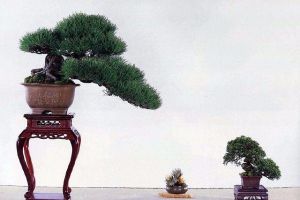
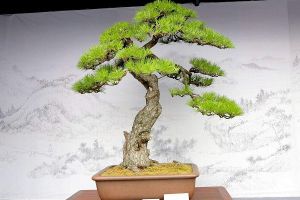
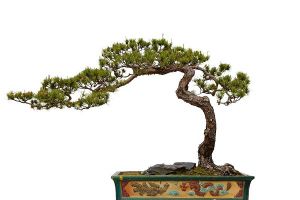
When creating a pine bonsai, it is best to select seedlings with thick, sturdy trunks and evenly distributed branches as material, and through wire wiring and yearly pruning, shape clearly layered branch pads. Common styles include the formal upright style, slanting style, and cascade style, which can be flexibly designed according to the tree's vigor; long-term patient cultivation is needed to gradually take shape.
In terms of care, pines prefer a sunny, well-ventilated environment and are best placed in a sunny spot outdoors. Watering should follow the principle of not watering until dry, and watering thoroughly when you do, to avoid long-term water accumulation in the pot causing root rot. Fertilizing is mainly done in spring and autumn, applying light fertilizer frequently, and repotting once every few years, appropriately pruning old roots and replacing with loose, breathable potting soil.
In daily management, if yellowing needles, leggy branches, and similar conditions appear, they are mostly related to insufficient light, overwatering, or poor ventilation, and the placement environment and watering frequency should be adjusted promptly. During the growing season, buds should also be appropriately pinched to control branch growth and keep the tree shape compact, while also watching for signs of pests and diseases and doing good preventive work.
Related Reading