The narcissus flower language symbolizes longing and good fortune, with different varieties carrying different meanings
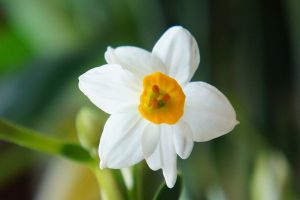
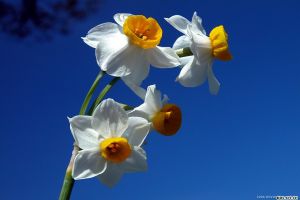
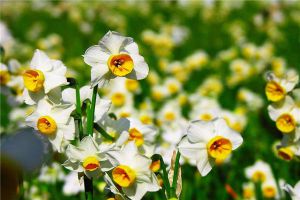
The narcissus flower language refers to the symbolic meanings people have assigned to narcissus, which vary across different cultures and varieties. Chinese narcissus (Narcissus tazetta var. chinensis) is a perennial herbaceous bulbous plant in the amaryllis family (Amaryllidaceae) that mostly blooms in winter and spring, often around the Chinese New Year. Since ancient times it has been regarded as a symbol of bidding farewell to the old and welcoming the new and of good fortune, and it also has the elegant nickname "fairy on the waves."
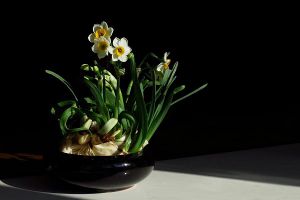
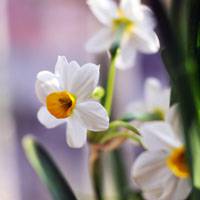
In traditional culture, the flower language of Chinese narcissus is often summed up as longing, reunion and purity. Its flowers are white and elegantly plain, and paired with emerald green leaves they give a clear, refined and unworldly impression, and are often used as a metaphor for noble character. Growing a pot of narcissus at home during festivals expresses people's beautiful hopes for life in the new year.
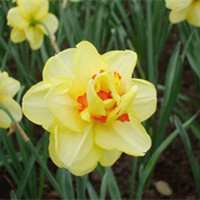
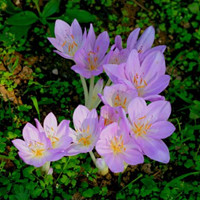
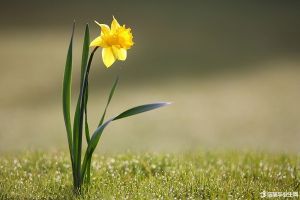
The narcissus flower language in Western culture has different origins, and is often associated with self-appreciation, while some varieties are also given the meanings of expectation and rebirth. It should be noted that daffodils (Western narcissus), autumn crocus (Colchicum autumnale) and Chinese narcissus are not the same type of plant. Daffodils have large, brightly colored flowers, mainly in yellow and orange tones, and their flower language leans more toward hope and rebirth; although autumn crocus also has "xian" in its Chinese name, it does not belong to the same genus as narcissus, and its ornamental value and symbolism each have their own emphasis.
Narcissus is both an ornamental flower and a carrier of rich cultural connotations, and is suitable for water culture or for making miniature bonsai to place indoors. In daily care, pay attention to clean water quality and sufficient light to prevent root rot; handling the bulbs properly after flowering can lay a good foundation for the next bloom. Understanding the flower language before choosing a variety will make it more thoughtful, whether for your own enjoyment or as a gift for relatives and friends.
Related Reading