A Detailed Guide to Water Lily Cultivation Methods and Precautions
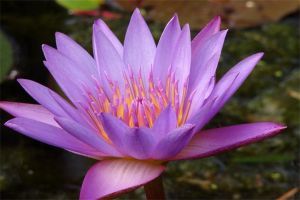
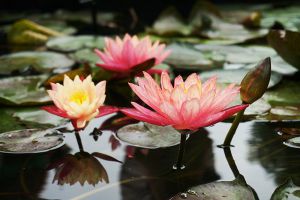
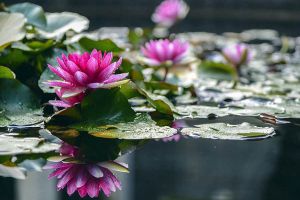
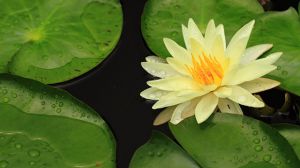
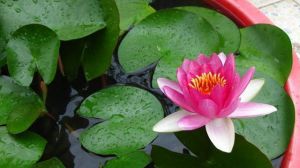
Water lily is the collective term for perennial aquatic herbaceous plants of the genus Nymphaea in the family Nymphaeaceae, also known as the noon lotus, and is widely distributed in tropical and temperate regions. Its leaves float on the water surface and are mostly round or ovate, and its flowers come in many colors such as white, pink, red, yellow and purple. The flowers often open during the day and close at night, making it a very popular ornamental aquatic plant for courtyard water features and potted tub cultivation.
Water lilies prefer a still-water environment with plenty of sunlight and clean water quality, and are generally planted in pond mud or soil rich in humus, with a water depth suitable for the leaves to float naturally to the surface. Based on cold hardiness, they can be roughly divided into two major groups: hardy varieties and tropical varieties. The above-ground parts of hardy varieties wither and go dormant in winter and can sprout again the following year; tropical varieties need good winter insulation in cold regions.
Home cultivation of water lilies mostly uses potting or tub planting, choosing containers without drainage holes, first laying down the bottom mud, burying the rhizome in the soil and then slowly adding water. The water level should be shallower at first and gradually deepened as new leaves grow. During the care period, ensure sufficient light; when light is insufficient, the leaves tend to be sparse and flowering decreases. For fertilizer, slow-release fertilizer can be buried in the mud, but be careful not to use too much.
In daily management, dead leaves and spent flowers should be removed regularly to keep the water surface clean and reduce mosquito breeding. During hot, humid summer weather, pest problems such as aphids and leaf diseases are likely to occur; once found, promptly remove the affected leaves and improve ventilation. Overall, as long as light, water level and nutrient management are handled properly, water lilies are not difficult to grow, and a south-facing balcony with direct sunlight indoors can also be tried for planting.